How to Bake with Winter Squash: Tips for Perfect Cakes, Cookies, Breads & More
I think winter squash is one of the most useful ingredients to keep on hand during the fall and winter baking season. Pumpkin usually gets most of the attention, but I love varieties like butternut, cushaw, acorn, delicata, and kabocha squash even more. They can also make wonderful cakes, muffins, cookies, scones, and other homemade desserts.
In our family, it’s even become a tradition to have my butternut squash dinner rolls for the holidays. I love to bake with winter squash during the winter season. There’s something so comforting about the complex, sweet flavors they add that’s perfect when it’s cold outside.
If you grew winter squash in your garden or picked up a few extra at the farmers market, you have plenty of options beyond roasting it for dinner. To bake with winter squash successfully, the key is understanding how to prepare the squash, manage its moisture, and pair its flavor with the right ingredients.
Not every winter squash works with everything. By the end of this post you’ll know exactly how to use each one.
Which Winter Squash Is Best for Baking?
Many winter squash varieties work well in baked goods, but their flavor, texture, and moisture content can vary. Choosing the right variety and preparing it properly will help you get the best results.
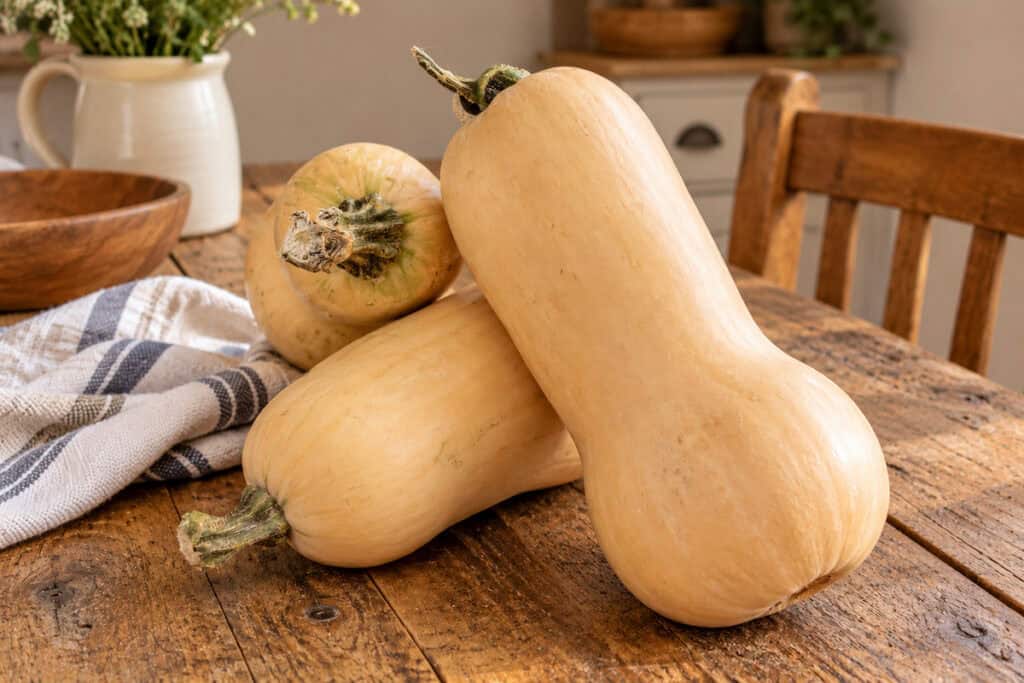
Butternut Squash
Butternut squash has a naturally sweet, mild flavor and smooth flesh that makes it an excellent choice for baking. Once cooked and pureed, it works well in muffins, loaf cakes, Bundt cakes, cookies, and pies.
Its relatively smooth texture makes it easy to incorporate into batters without leaving noticeable pieces of squash.
Cushaw Squash
Cushaw squash is an especially useful option for home bakers who grow their own food. Its mild flavor and pale golden flesh work well in pies, quick breads, cakes, and spiced desserts.
Cushaw can vary in moisture content, so pay attention to the consistency of the puree before adding it to a recipe. If you have a large cushaw from your garden, cooking and freezing the puree in measured portions makes it easy to use throughout the winter.
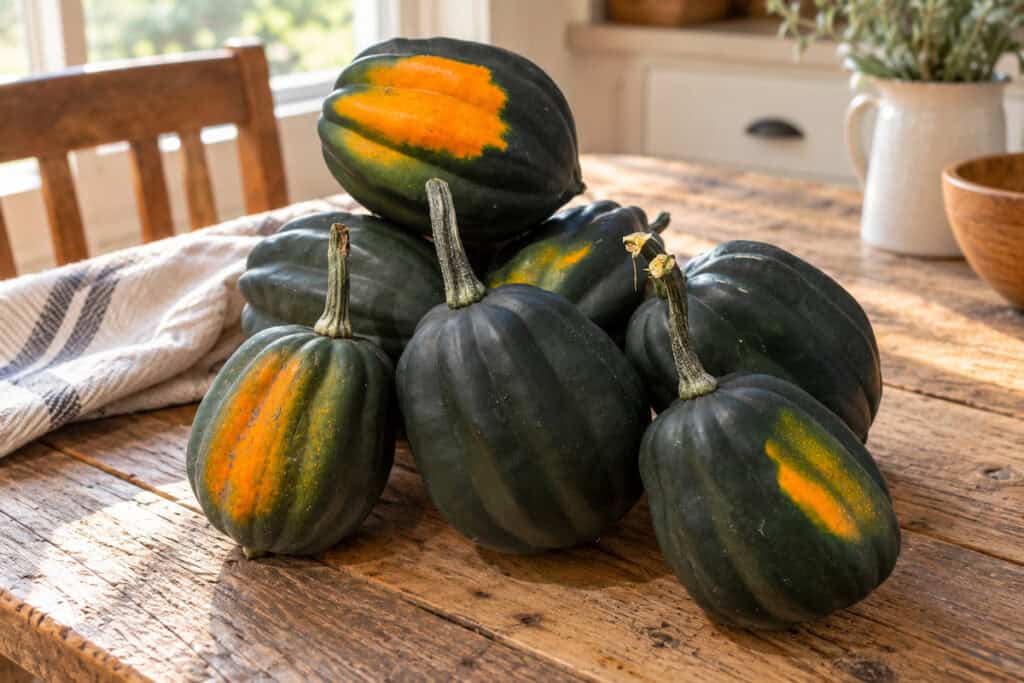
Acorn Squash
Acorn squash has a slightly earthier flavor that pairs well with cinnamon, ginger, brown sugar, maple, and toasted nuts. It can be used in muffins, snack cakes, and other recipes that benefit from a warm, seasonal flavor.
Its flesh can be a little more fibrous than some other varieties, so blend it thoroughly to get a smooth texture.
Kabocha and Other Winter Squash
Kabocha, buttercup, and hubbard squash can also be used in baking. Some varieties have particularly dense, sweet flesh, while others contain more moisture.
Always check the texture of your cooked squash. A thick, smooth puree is generally easier to work with than one that is watery or stringy.
Which Winter Squash Are Not Good for Baking? Or to Use More Cautiously
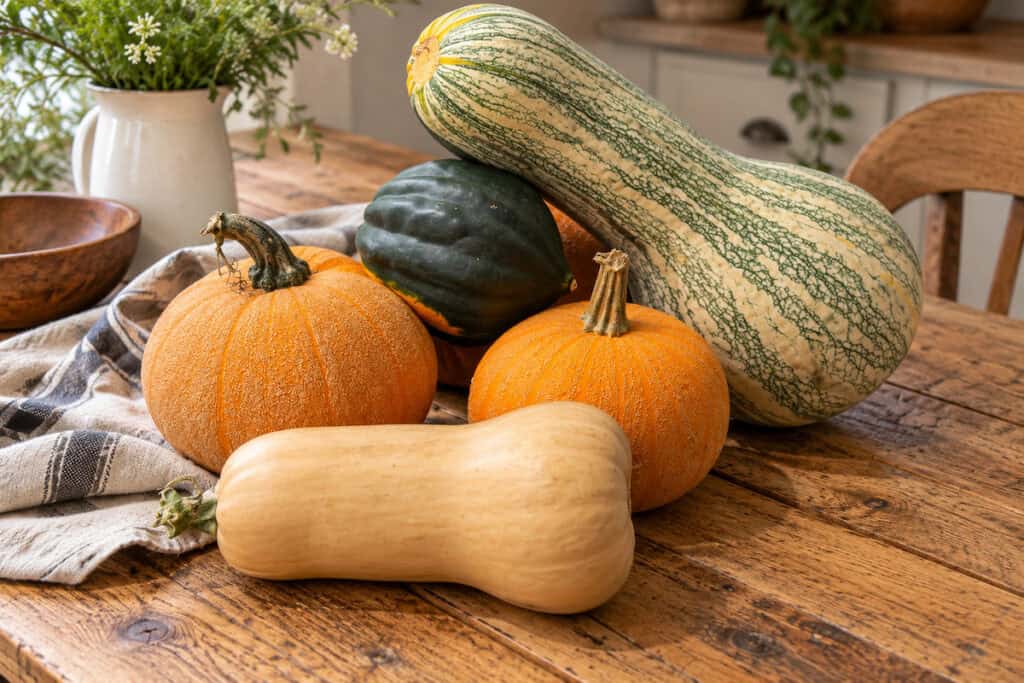
Most edible winter squash varieties can be used in baking, but some are less convenient than others. The biggest differences are flavor, texture, and moisture content. A squash that works beautifully in a roasted side dish may not be the best choice for a delicate cake or sweet pastry.
Here are a few varieties that don’t work very well in baked goods.
Spaghetti Squash
Spaghetti squash is not a great choice for most traditional baked desserts. It’s great for a spaghetti alternative (hence the name) but not for baking. When cooked, its flesh separates into long, stringy strands rather than forming a smooth puree. Those strands can create an uneven, kind of grity texture in cakes, muffins, and cookies.
Although you could blend and strain it, other squash varieties are much easier to work with. I recommend skipping this one unless you’re really experienced working with it.
Large, Watery Pumpkins
Some large carving pumpkins have fibrous flesh with relatively little concentrated flavor. They are not necessarily unsuitable for baking, but they may require extra preparation to achieve a thick, smooth puree.
If your puree is watery, drain it or gently cook it to remove excess moisture before measuring it for a recipe. Otherwise, the added liquid can make cakes gummy, muffins dense, and custard fillings slow to set.
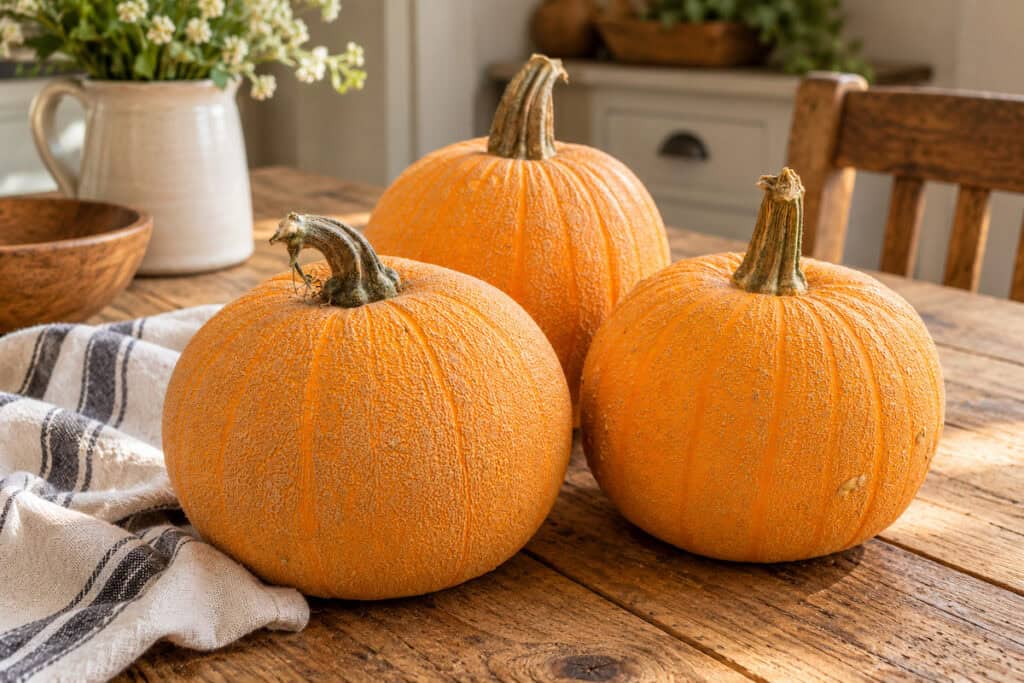
For sweet baking, smaller culinary pumpkins, like Luxury Pie or the New England Pie Pumpkin, and naturally sweet, dense squash varieties are generally more convenient.
Squash with a Strong or Unfamiliar Flavor
Some winter squash varieties have a more pronounced flavor that may not suit every sweet baking recipe. They can still make delicious baked goods, but you may need to choose complementary flavors carefully.
- Red Kuri squash: This variety has a rich, nutty flavor with hints of chestnut. It can work beautifully in spice cakes and quick breads, but its distinctive flavor may be more noticeable in delicate vanilla cakes.
- Hubbard squash: Hubbard squash can have a dense, earthy, and sometimes quite pronounced squash flavor. Its texture is excellent for many baked goods, but the flavor may be more noticeable than that of a mild butternut squash.
- Buttercup squash: Buttercup is often sweet and dense, with a rich, earthy flavor. It works well in spiced cakes and muffins, although its stronger flavor may not be the best match for every delicate dessert.
- Kabocha squash – Kabocha squash tends to be sweet and dense. It has a nutty, earthy flavor, almost reminiscent of chestnut. It’s strong flavor and dense texture means it does not always work well for milder desserts. You also cannot substitute kabocha squash 1:1 for just any baked good recipe.
- Some mature acorn squash: Acorn squash can have a more earthy, vegetable flavor than sweeter varieties, especially when the flesh is less sweet or more fibrous. It tends to work best in recipes with warm spices, brown sugar, or toasted nuts.
Many of these you cannot substitute 1:1 for other squash in recipes. I did that once using kabocha in a scone recipe. It was awful! The flavor was off, they were too dry and dense. It just didn’t work. Squash like these are often best used in recipes that are made for that squash type.
Before using an unfamiliar variety in a dessert, taste a little of the cooked flesh. If you enjoy its flavor on its own, it will likely work well in a variety of baked goods. If it tastes particularly earthy, pair it with stronger complementary flavors such as brown sugar, cinnamon, ginger, dark chocolate, or toasted pecans.
Remember that flavor varies with the cultivar, growing conditions, and maturity. Don’t automatically assume you cannot bake with the squash. Bake it up, taste the baked squash, and then decide.
One important distinction: Avoid any squash that tastes unusually bitter. Strong bitterness can indicate potentially dangerous cucurbitacins, which can cause illness. Do not eat or bake with bitter-tasting squash, and do not try to make it safe by cooking it.
How to Make Winter Squash Puree for Baking
Homemade winter squash puree is simple to prepare, and it gives you a convenient way to use your harvest in recipes throughout the colder months.
The most important thing is to make sure the puree is cooked thoroughly, smooth, and not excessively watery.
Step 1: Roast the Squash
Preheat your oven to 400°F, 200°C. Cut the squash in half, scoop out the seeds, and place the halves cut-side down on a baking sheet lined with parchment paper.
Roast until the flesh is completely tender when pierced with a fork. Cooking time will depend on the size and variety of squash.
Roasting is a good choice for baking because it develops the squash’s flavor and often produces a thicker puree than boiling.
Step 2: Scoop Out the Flesh
Allow the squash to cool until it is comfortable to handle. Scoop the cooked flesh away from the skin and discard the skin.
If the flesh contains tough fibers or stringy pieces, remove them before blending.
Step 3: Blend Until Smooth
Use a food processor or blender to puree the cooked squash until smooth. If the squash is too thick to blend easily, you can mash it by hand, although the finished texture may not be quite as uniform. You can also add a tiny bit of water to help thin it a bit. But keep in mind that it will affect the final moisture level of the puree.
A food processor is particularly useful if you regularly process large quantities of garden produce.
Baker’s tip: A digital kitchen scale makes it easier to portion puree accurately for recipes. Measuring by weight also makes it simple to freeze exactly the amount you need for a future batch of muffins or cake.
If you don’t have a scale, don’t worry. You can still use a measuring cup to portion it out instead.
Step 4: Adjust the Moisture
This is one of the most important steps when baking with homemade squash puree.
If your puree is watery, allow it to drain in a fine-mesh strainer or gently cook it in a saucepan to evaporate some of the excess moisture. Stir frequently if cooking it on the stovetop so the puree does not scorch.
Let the puree cool completely before using it in your recipe. Using it warm can end up cooking any eggs in the recipe and/or change the texture.
How to Substitute Winter Squash for Pumpkin
One of the easiest ways to start baking with winter squash is to use it in a recipe that already calls for pumpkin puree.
In many recipes, you can substitute a similar, thick winter squash puree for pumpkin puree in a 1:1 ratio. If you can measure by weight that is the most accurate. The substitution works best when the puree has a comparable consistency.
However, not every squash behaves exactly like canned pumpkin.
Before substituting, check these three things:
- Moisture: Watery puree can make cakes gummy, muffins dense, and cookies too soft.
- Texture: Stringy puree may affect the finished texture of a cake or custard.
- Flavor: Some squash varieties taste sweeter or earthier than pumpkin, which may change the taste of the finished dessert.
Start with the same amount of puree called for in the original recipe. If the consistency is similar to canned pumpkin, you may not need to make any other adjustments.
For recipes that rely on a precise balance of moisture and structure, such as cookies, scones, and delicate cakes, a recipe developed specifically for squash is the safest starting point until you become more experienced in how to bake with winter squash.
What Can You Bake with Winter Squash?
Winter squash is much more versatile than many people realize. Its moisture and mild flavor make it useful in several types of baked goods, although the amount of puree and the other ingredients need to be balanced for each recipe to turn out perfectly.
Winter Squash Cakes and Bundt Cakes
Cakes are one of the best ways to use winter squash puree. The puree contributes moisture and helps create a tender crumb, while spices, vanilla, nuts, and other flavorings give the cake its character.
Try pairing squash with:
- Brown butter and toasted pecans
- Pears and a brown sugar glaze
- Dark chocolate and vanilla
- Maple and toasted walnuts
- Cinnamon, ginger, and nutmeg
For a seasonal dessert that feels a little more special than a standard loaf cake, try a winter squash Bundt cake finished with a simple glaze.
My Pumpkin Apple Crumb cake would be delicious with butternut or cushaw squash. Acorn could work wonderful as well.
Muffins and Quick Breads
Muffins and quick breads are approachable options for beginner bakers. They are also useful when you want to use a smaller portion of leftover puree.
Winter squash pairs well with apples, dried cranberries, walnuts, cinnamon, and ginger. You can also use chocolate chips for a sweeter variation.
Try making my Pumpkin Apple Cider bread with a different type of winter squash. It would be delicious!
Scones and Biscuits
Winter squash can add color, flavor, and tenderness to scones. However, the extra moisture can make the dough sticky and interfere with the light, flaky texture that makes a good scone special.
Use a recipe designed for squash puree, measure carefully, and avoid adding more puree than the recipe calls for.
I have a delicious Winter Squash Scone Recipe in my Christmas Harvest Baking Guide (coming soon). There’s eight wonderful recipes using winter squash, cranberry, apples and more to make beautiful Christmas breakfasts and desserts along with invaluable baking tips to make your holiday baking the best it can be.
Cookies and Dessert Bars
Squash can be used in cookies and dessert bars, but these recipes require a little more attention to moisture.
Adding puree to a traditional cookie recipe can make the cookies softer and more cake-like. It can also change how the dough spreads in the oven.
Instead of adding squash to a favorite cookie recipe without adjusting anything else, start with a recipe developed specifically for squash, like these Acorn Squash Chocolate Chip Cookies.
Chocolate, oats, pecans, cinnamon, and ginger are all good flavor partners. Squash also works well in layered dessert bars where a soft, tender filling is desirable.
Pies and Custard Desserts
Winter squash puree can be used in many pumpkin-style pies and custard desserts. Eggs help the filling set, while the puree contributes body and flavor.
For the best results, use a smooth puree with controlled moisture. If your squash contains more water than canned pumpkin, the filling may take longer to set or turn out softer than expected.
A squash custard tart with a buttery pastry crust is another lovely way to use a homegrown harvest for a holiday dessert. My Christmas Baking Guide (coming soon) also has a recipe for a Butternut Squash Cheesecake with Cranberry Swirl.
The Best Flavors to Pair with Winter Squash
Winter squash has a mild flavor that works with much more than the traditional pumpkin pie spice blend. Choosing complementary ingredients can help you develop a variety of desserts without making every recipe taste the same.
For warm, familiar flavors: Cinnamon, ginger, nutmeg, cloves, and vanilla work well in muffins, loaf cakes, and pies.
For richer desserts: Brown butter, dark chocolate, toasted pecans, and walnuts add depth to cakes and cookies.
For fruit-based desserts: Pears, apples, cranberries, and dried fruit bring sweetness, tartness, or texture that balances the mellow squash flavor.
For holiday baking: Maple, cardamom, pistachios, and brown sugar create a more distinctive flavor profile for scones, tea cakes, and Bundt cakes.
You do not have to make every winter squash dessert taste like pumpkin pie. Think of squash as a baking ingredient that can support a range of flavors, from chocolate and vanilla to fruit and toasted nuts.
Common Mistakes When Baking with Winter Squash
If a squash-based dessert turns out gummy, dense, or unexpectedly soft, the problem often comes down to moisture or ingredient balance.
Here are the most common mistakes to avoid.
Using watery puree. Excess water can interfere with the structure of cakes, muffins, and cookies. Drain or reduce the puree before measuring it for your recipe.
Adding extra squash. More puree does not necessarily improve a baked good. It changes the ratio of liquid to flour and can make the finished texture heavy.
Treating squash like a fat substitute. Squash contributes moisture, but it does not provide the same richness and tenderness as butter. Removing too much fat from a recipe can lead to a different texture.
Skipping the cooling step. Hot puree can affect the temperature of your batter and may cause problems in recipes that contain butter, eggs, or other temperature-sensitive ingredients.
Using a coarse puree. Stringy pieces can affect the texture of cakes and custards. Blend the squash thoroughly when a smooth result matters.
Assuming every variety behaves the same. The moisture and texture of winter squash vary. Check your puree rather than relying only on the variety name.
Can You Freeze Winter Squash Puree for Baking?
Yes. Freezing cooked winter squash puree is a convenient way to preserve your harvest for future baking projects. I have quite a few 1-2 cup portions of various winter squash in my freezer right now ready to bake with.
Once the puree has cooled, divide it into portions that match the amounts you commonly use in recipes. One-cup portions are convenient for many muffins and quick breads.
Transfer the puree to freezer-safe containers or bags, label each portion with the variety, date, and amount then freeze it. I like using freezer safe storage bags and laying them flat to freeze. It makes stacking them in the freezer for storage much easier.
When you are ready to bake, thaw the puree in the refrigerator. Some liquid may separate during thawing, so stir it well and drain any excess liquid if needed before measuring.
For easier portioning, reusable freezer containers or freezer-safe silicone storage trays can be helpful. If you freeze puree in larger batches, look for containers that make it easy to remove measured portions without thawing the entire batch.
Remember that freezing is different from canning. Pureed winter squash should not be home-canned because its density makes it difficult to establish safe heat penetration. For longer-term storage, freezing is the safest choice for homemade puree.
Make the Most of Your Winter Squash Harvest
Winter squash is a practical ingredient for home bakers because it can be prepared in batches, frozen for later, and used in a wide range of desserts. I love to bake with winter squash during the winter. It’s sweet, cozy, and perfect for a bit of fresh taste when it’s cold out.
For the best results, start with a smooth puree, pay attention to the moisture content, and choose recipes that complement the squash you have available. Once you understand how it behaves in a batter or filling, it becomes much easier to experiment with different varieties and flavor combinations. It also becomes easy to make swaps if you have a recipe you want to make but a different squash than what the recipe calls for.
Whether you are baking a simple batch of muffins or preparing a special dessert for Christmas, winter squash can help you turn a garden harvest into something worth sharing.