Ultimate Guide to Baking With Homegrown Produce for Perfect Bakery Worthy Treats
Modern baking books assume that every baker trying their recipes are using predictable ingredients from the store, not baking with homegrown produce.
But a homestead kitchen doesn’t behave that way.
Eggs come in by the basket load full in the summer, and then trickle in through winter if you’re lucky. Milk comes in abundance after the Spring kidding season. Fruit ripens all at once, and it always seems like it happens faster than you can process it. Herbs grow in bursts, following often following weather patterns. And vegetables like zucchini think it’s funny to grow 6 inches overnight.
Baking with homegrown produce is not about finding more recipes. It’s about understanding what ingredients do so you can work with whatever is abundant for the season you’re in.
If you’re also looking at how to preserve or store your harvest before baking, the Garden to Bakery Guide covers different ways to preserve your abundance. This guide starts one layer deeper: how ingredients behave inside the bowl, oven, and structure of baked goods.
Baking With Homegrown Produce Is a Balance of Structure, Moisture, and Fat
Every baked good is a controlled structure made from five interacting forces:
- Structure (flour, eggs)
- Moisture (milk, fruit, dairy)
- Fat (butter, yolks, cream)
- Sweetness (sugar, fruit sugars)
- Lift (eggs, baking soda, baking powder)
Changing one element in the equation causes everything else to shift.
Homegrown baking works best when you stop thinking in recipes and start thinking about the role of each ingredient.
Eggs: Structure, Stability, and the Hidden Architecture of Baking
Eggs are one of the most misunderstood ingredients in baking because they are actually play multiple roles.
They contribute:
- Structure (protein coagulation)
- Emulsification (blending fat and water together)
- Moisture
- Fat (from the yolk)
- Lift (especially when whipped)
- Color and flavor
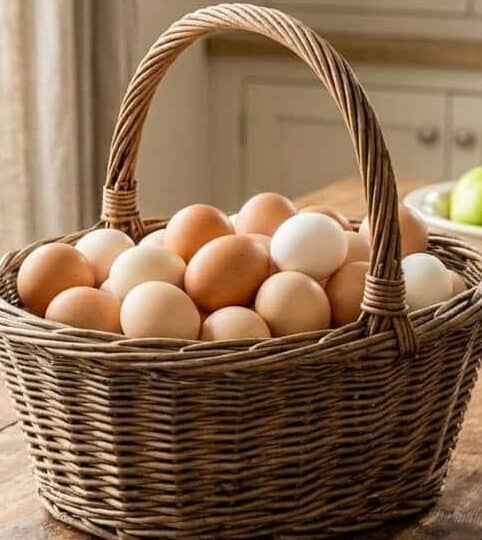
Whole Eggs: Balance in a Shell
Whole eggs stabilize batters. The protein it adds sets as it heats, forming a network that holds air, fat, and moisture together.
In cakes, this structure prevents collapse. In cookies, it creates chew. In muffins, it gives lift and body.
Yolks: Richness and Tenderness
Yolks are fat-heavy and act like a natural emulsifier.
They:
- soften crumb
- increase richness
- stabilize sauces and custards
That’s why custard-based desserts feel silky rather than crumbly. Yolks set into a delicate gel instead of a rigid structure.
Whites: Air and Lift
Whites are pure protein and water. When whipped, they trap air and expand in heat.
That expansion is what gives structure to recipes like meringues and sponge cakes. It’s the air and lift is very dramatic in angel food cakes.
When Eggs Overload a Recipe
Too many eggs create a rubbery texture because proteins tighten too aggressively.
You see this most in cakes that feel dense or “bouncy” rather than tender.
When You Have Too Many Eggs
Homesteads rarely have a neutral egg supply. You either have none or a surplus. Everyone talks about chicken math. It really is a thing! Which is how I ended up with 15 hens for a family of 3. Talk about a surplus!
Egg-heavy recipes that absorb some of that abundance include:
- Custards
- Pound cakes
- Brioche
- Ice cream bases
- Cheesecakes
- Bread pudding
- French toast bakes
Milk: Hydration That Shapes Texture
Milk is not just liquid. It can actually modify the structure of your baked goods.
It contains:
- Water (hydration)
- Fat (tenderness)
- Proteins (browning and structure)
- Lactose (natural sugar for caramelization)
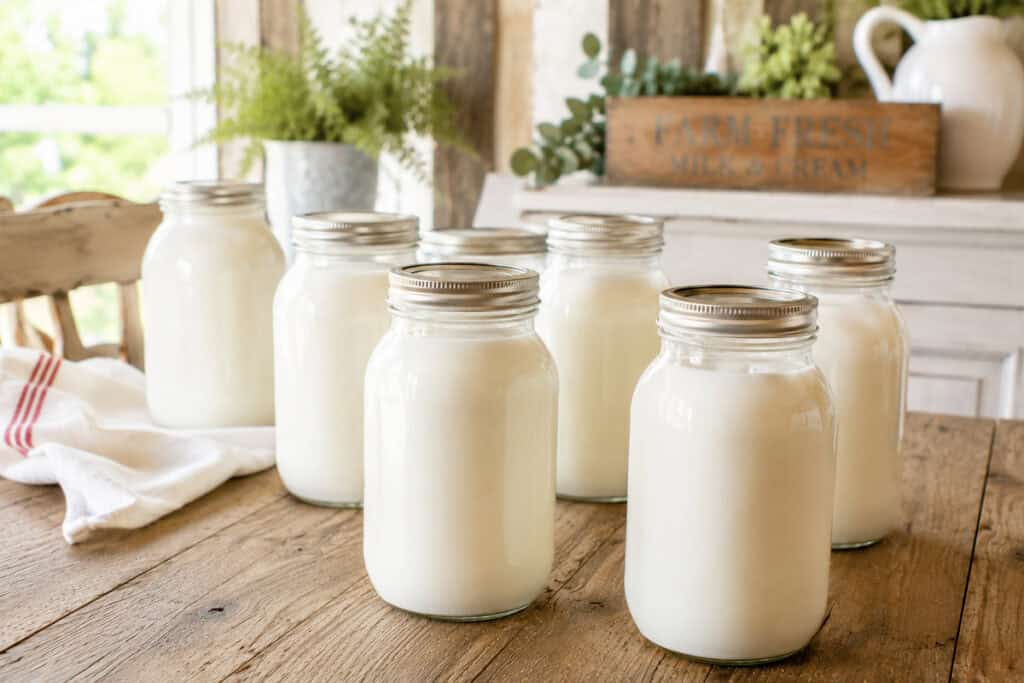
Whole Milk vs Low-Fat Milk
Fat is what softens gluten development. Without it, baked goods become drier and more structured.
Whole milk creates:
- softer crumb
- better browning
- richer flavor
Skim milk creates a leaner, firmer structure. Because skim milk contains very little fat, it doesn’t coat the flour proteins the way whole milk does. This allows a bit more gluten development, resulting in a lighter, drier crumb.
This can be desirable in:
- Sponge cakes
- Angel food cakes (if milk is used in a variation)
- Some chiffon cakes
- Lean yeast doughs
Skim Milk: When Butter or Oil Already Provides Plenty of Fat
If a recipe already contains a generous amount of butter, oil, or egg yolks, the milk isn’t the primary source of richness. Using skim milk may not make a noticeable difference.
For example:
- Rich chocolate cakes
- Brownies
- Cinnamon rolls with lots of butter
- Brioche (although many bakers still prefer whole milk)
When You Want Other Flavors to Shine
Whole milk has a richer dairy flavor. Skim milk has a cleaner, more neutral taste.
If you’re making something with delicate flavors, such as:
- Lemon cakes
- Vanilla sponge
- Herbal desserts
- Light fruit cakes
skim milk can let those flavors take center stage. The difference is subtle, but present.
When You’re Intentionally Reducing Fat
If you’re creating a lighter version of a recipe, skim milk can reduce fat without dramatically affecting the outcome, especially in recipes where the milk quantity is relatively small.
Just remember that you’ll sacrifice a little richness and tenderness.
When Whole Milk Is Usually the Better Choice
For most of the recipes on The Harvested Crumb, I’d recommend sticking with whole milk. It’s especially beneficial in:
- Muffins
- Quick breads
- Scones
- Biscuits
- Coffee cakes
- Pound cakes
- Yeast breads with enriched dough
- Cheesecakes and custards (along with cream or sour cream)
These recipes benefit from the extra fat because it:
- Produces a softer crumb.
- Keeps baked goods moist longer.
- Improves browning.
- Enhances flavor.
- Creates the “bakery-style” texture most people are looking for.
In most cases, the milk I’m using will be the goat milk from my goats. Because it behaves more like whole milk (it’s even a little richer than whole milk) the outcome you get may vary a little from mine if you use skim milk. That’s not bad, it’s just something I want you to be aware of.
A Rule of Thumb
A helpful way to think about it is this:
- Choose whole milk when you want a rich, tender, moist baked good.
- Choose skim milk when the recipe already contains plenty of fat, or when you’re aiming for a lighter, leaner texture.
Goat Milk in Baking
Goat milk behaves similarly to cow’s milk but has a slightly different fat profile that often produces a softer crumb.
It performs especially well in quick breads and muffins where tenderness matters more than structure.
Recipes like Brown Butter Banana Streusel Loaf benefit from this added richness because fat and fruit sugars work together to create moisture retention.
I don’t have a milk cow but I have several milk goats. I can personally attest to the milk helping make the crumb a little softer than whole cow’s milk from the store.
Buttermilk: Acid as a Structural Tool
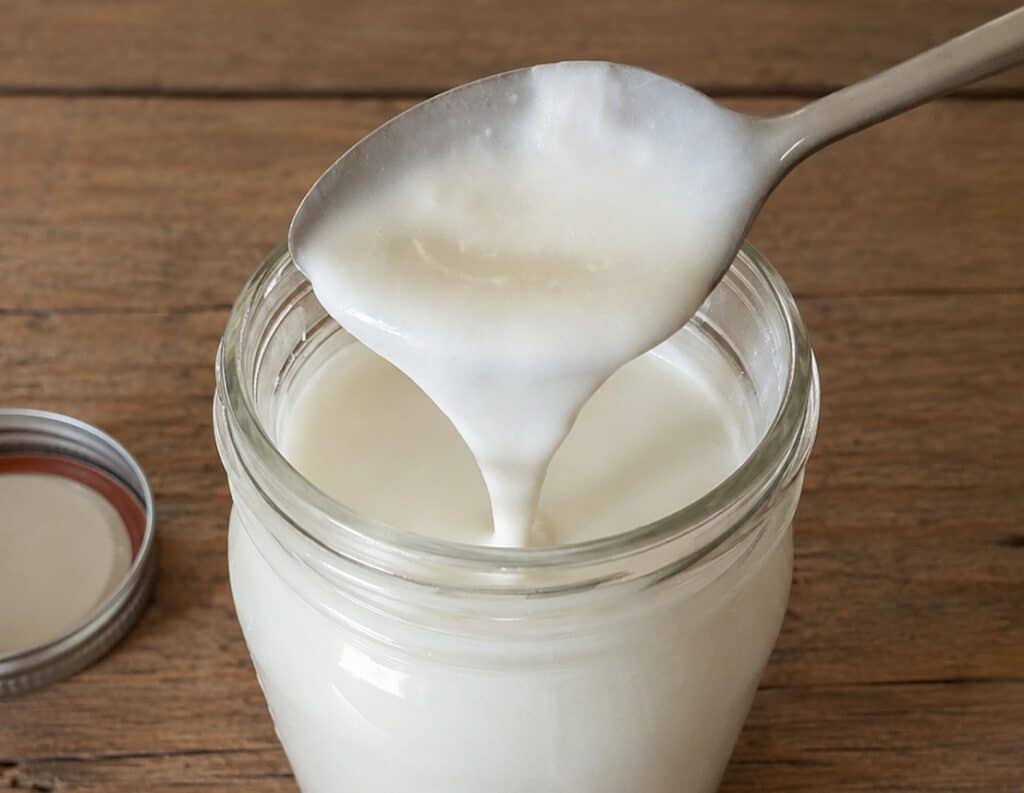
Buttermilk changes baking chemistry.
Its acidity:
- activates baking soda
- weakens gluten strands
- increases tenderness
- enhances flavor complexity
The Chemistry in Simple Terms
When acid meets baking soda, carbon dioxide forms. That gas makes baked goods rise.
At the same time, acid prevents gluten from tightening too much, which keeps crumb soft.
This is why buttermilk biscuits are tender instead of chewy.
Buttermilk vs Milk Substitutes
Milk with lemon juice or vinegar mimics acidity, but it lacks the thickness and fermented flavor of cultured buttermilk. It’ll work in a pinch, but the results won’t be the same as if you used actual buttermilk.
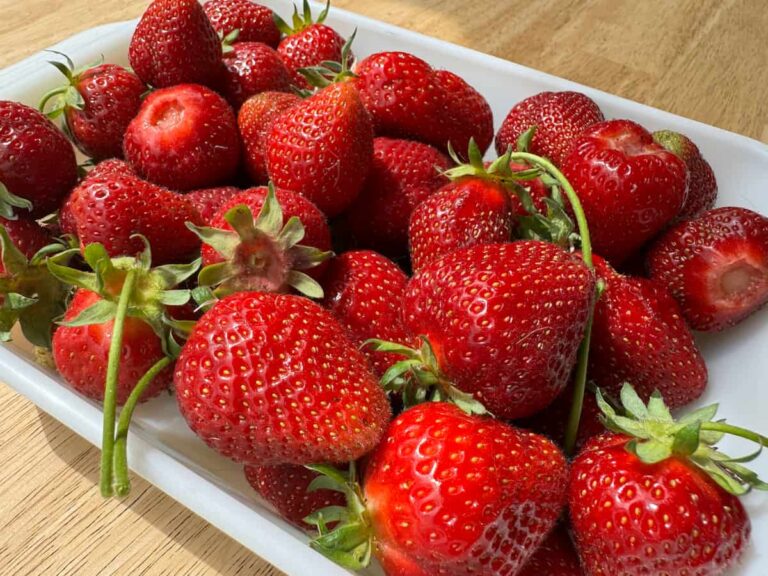
That difference matters in recipes where texture is central, such as my Strawberry Buttermilk Scones where softness and flake depend on controlled acidity. And the thickness of buttermilk helps the dough maintain the correct texture.
Sour Cream: Moisture Control With Fat and Acidity
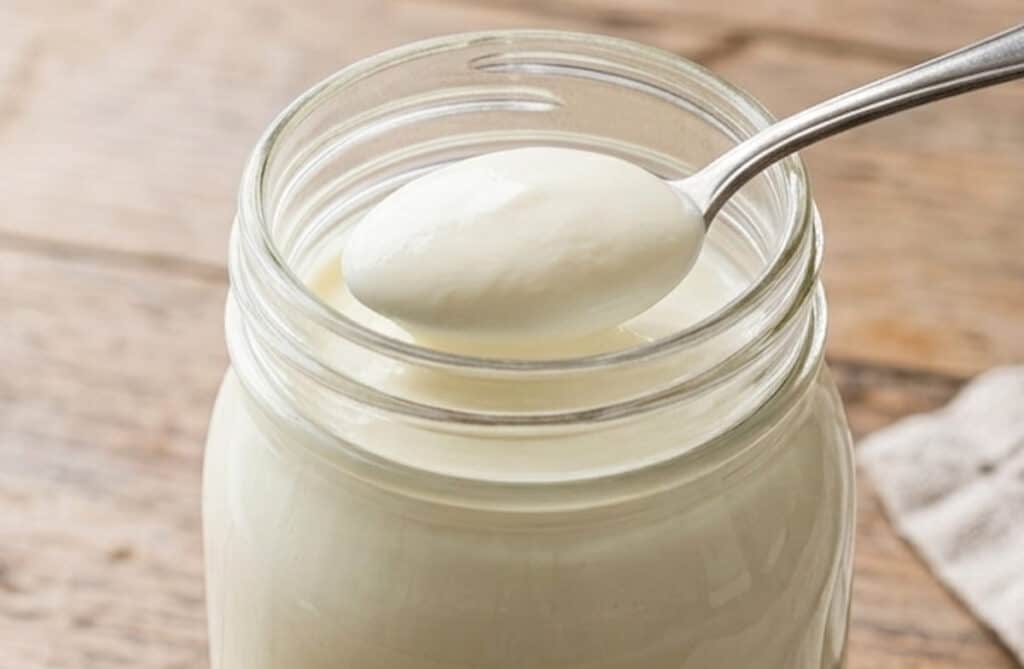
Sour cream is one of the most powerful moisture regulators in baking.
It contributes:
- fat (tenderness)
- acidity (structure control)
- low water content (stability)
Why It Produces Bakery-Style Cakes
Bakery cakes stay moist because sour cream slows drying.
It coats flour proteins with fat while limiting gluten formation, producing a tight, even crumb that holds moisture for days.
This is especially noticeable in pound cakes and coffee cakes, where structure must remain stable over time.
Cream and Cream Cheese: Density and Luxury Structure
Heavy cream introduces fat that creates softness and richness.
Cream cheese introduces:
- fat
- protein
- acidity
- density
How They Behave in Baking
Cream cheese firms up during baking, creating structure rather than lightness. This is why cheesecake sets into a sliceable texture rather than collapsing into custard.
In frostings, cream cheese stabilizes sugar, preventing graininess and adding tang. We also use it in our homemade cheese sauce for the same reason.
Fresh Fruit: Moisture, Sugar, and Structural Disruption
Fresh fruit is one of the most unpredictable baking ingredients.
Unlike dried fruit, it brings water and natural sugar that change during heat exposure.
What Happens in the Oven
As fruit heats:
- cell walls break down
- water releases
- sugars concentrate
- structure softens
This process is delicious and it often concentrates the flavor of the fruit, but it also disrupts the structure formation of your baked goods.
Why Cakes Sink or Turn Gummy
Excess moisture prevents starch from fully setting. This creates dense or underbaked centers.
Controlling Fresh Fruit in Baking
1. Coat With Flour
A light coating slows sinking and absorbs surface moisture. This is you coat fruit in a little bit of flour before mixing it into a batter. It prevents the fruit from sinking to the bottom while baking.
2. Reduce Added Liquid Elsewhere
If fruit is high-moisture, reduce milk or other liquids slightly.
3. Use Thickeners in Fillings
Cornstarch transforms fruit juice into gel rather than liquid.
This technique is essential in recipes like custard bars, where fruit must remain contained within the custard.
4. Adjust Sugar Thoughtfully
Homegrown fruit varies significantly in sugar content.
Taste always overrides measurement. If you have particularly sweet fruit, reduce the sugar a little, start with taking a tablespoon or two out depending on how much fruit is in your recipe. Otherwise you can end up with a treat that’s too sweet.
Fruit Behavior Differences Matter
Not all fruit behaves the same in heat.
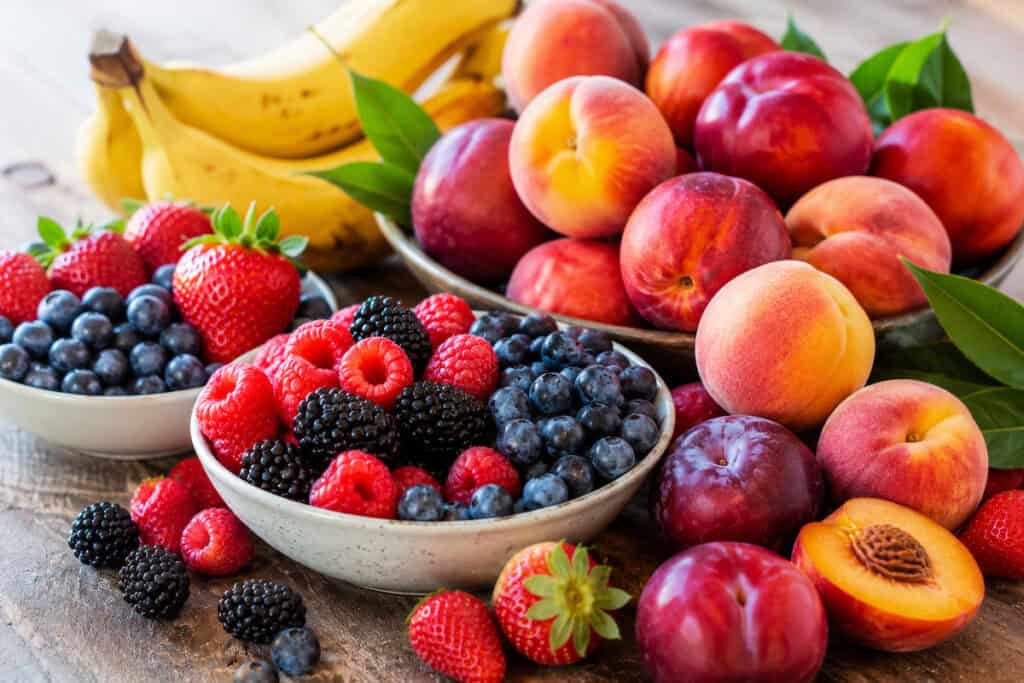
Berries
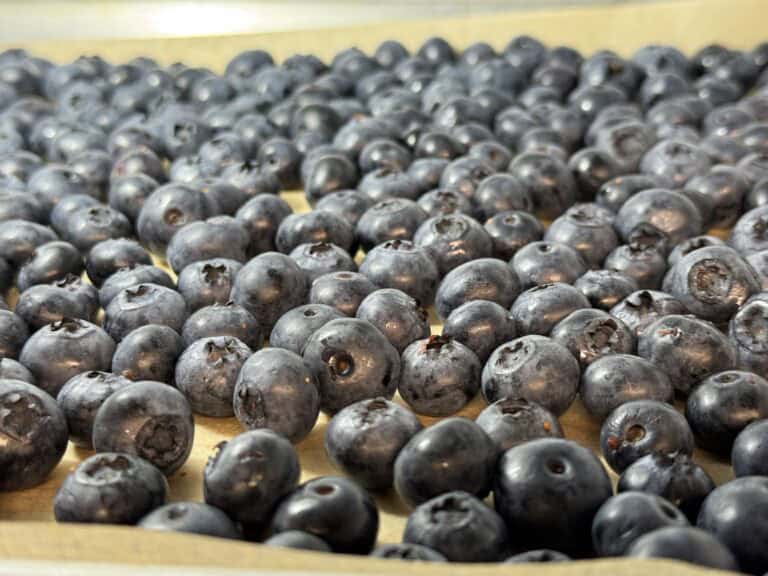
High water release, fast breakdown. Berries work best for muffins, bars, pies and rustic bakes.
Stone Fruit
Moderate breakdown, high juice release. Almost always requires thickening or balancing fats.
Rainier cherries, for example, are delicate and benefit from restrained pairings like in my Rainier Cherry Lemon Posset Tart (coming soon), where cream stabilizes fruit.
Bananas
Function more like a wet ingredient than fruit. Add structure and moisture simultaneously. It’s easy for bananas to take a baked good from fluffy to dense because of all their moisture and sugar.
Herbs: Flavor Without Structural Disruption
Fresh herbs introduce flavor without significantly affecting structure, but their oils are powerful and concentrated.
How Herb Flavor Actually Works
Herb flavor comes from volatile oils. Volatile oils are what you smell when you touch or cut herbs. Volatile oils are also called essential oils when bottled for commercial use. Heat releases these oils quickly, which is why timing matters.
Best Methods of Use
Infused Sugar
Rubbing herbs into sugar extracts oils evenly. Leave herbs in sugar for several days to a week for a strong infusion.
Infused Dairy
Steeping herbs in milk or cream disperses flavor gently. Heating milk with herbs added is the best way of extracting their flavor into the milk quickly.
Syrups
Simple syrups capture delicate herb profiles without bitterness. It’s a great way to add a pop of herb flavor without it becoming overwhelming.
Delicious Herb Flavor Profiles and Pairings
- Basil: bright, fruity notes (strawberries, peaches)
- Rosemary: resinous, sharp contrast, strong (citrus, pear)
- Lavender: floral but strong (honey, lemon)
- Mint: cooling brightness (chocolate, berries)
Vegetables in Baking: Moisture Engineering
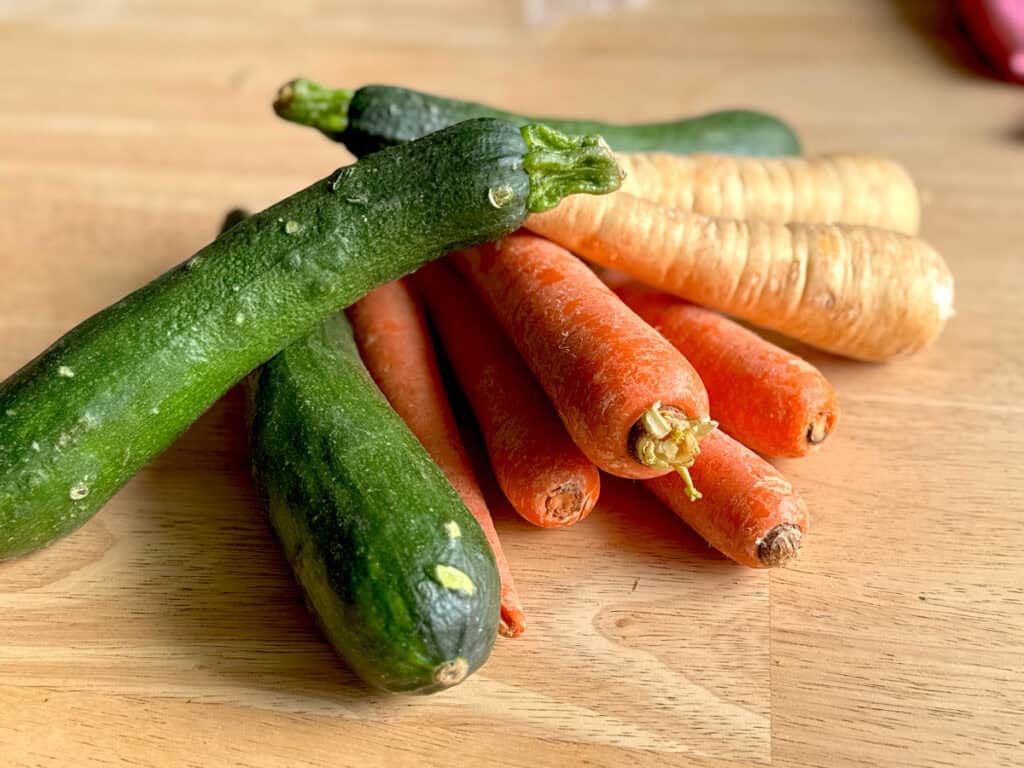
Vegetables behave primarily as moisture sources in baked goods while also providing some structural support.
Zucchini
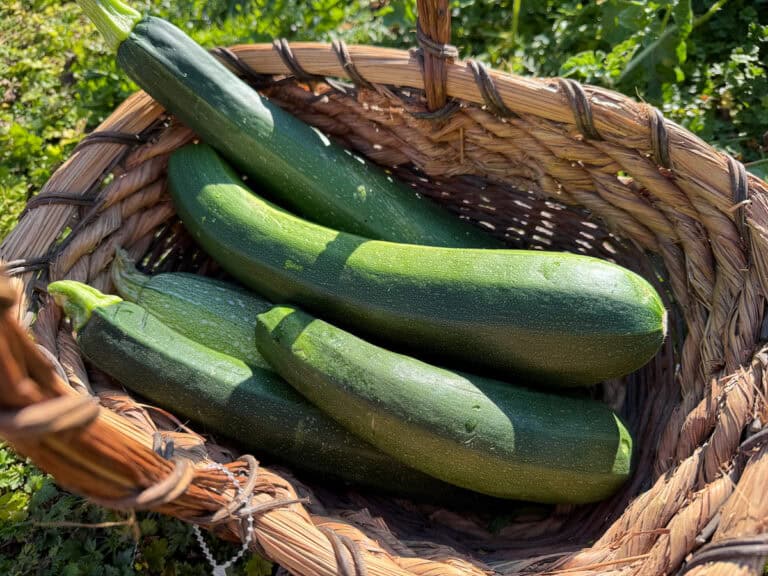
Zucchini is nearly neutral in flavor but high in water content.
It:
- softens crumb
- extends shelf life
- reduces need for added fat
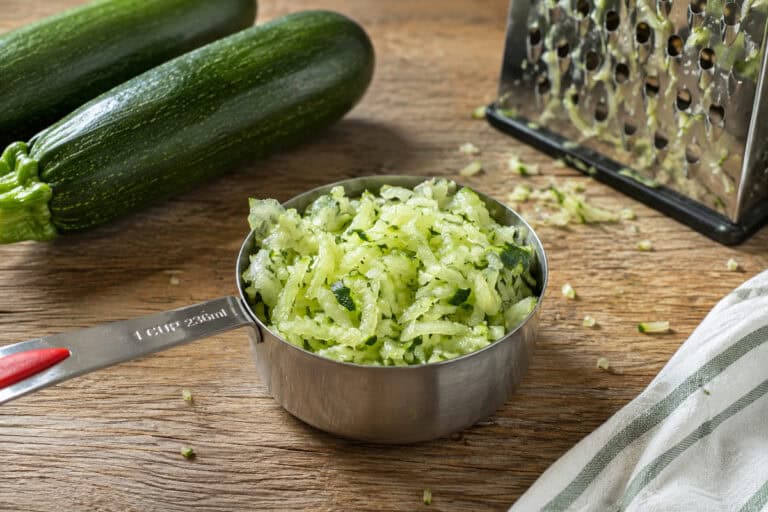
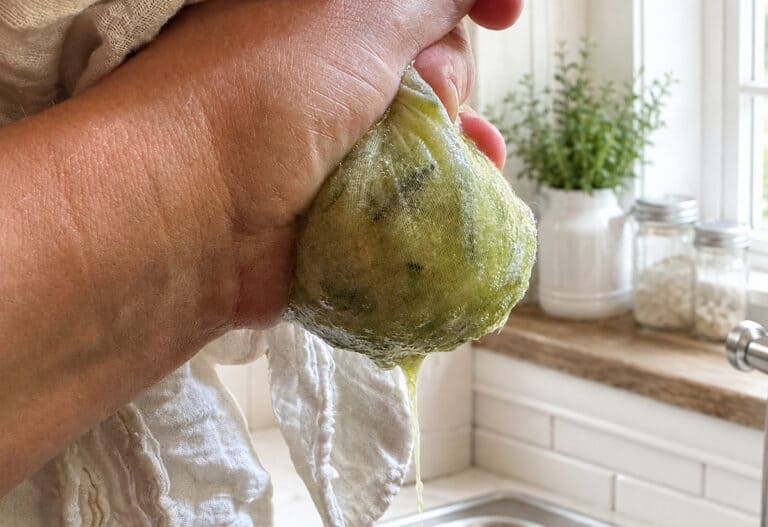
This is why breads like Orange Zucchini Bread stay moist for days without drying out. The key is to squeeze water out of it before you add it to your batter. If you don’t, it will release too much water into the batter and your end product will be dense and heavy. And it will take a lot longer to bake.
Pumpkin
Pumpkin adds both moisture and density.
Because it is heavy, recipes compensate with leavening agents to prevent collapse. It can also increase baking time because of it’s density. That’s why my Apple Cider Pumpkin Bread has such a long bake time.
Carrots
Carrots add sweetness, moisture, and texture simultaneously.
Fresh grating matters because water content influences what the final crumb will be.
How Everything Connects When Baking with Homegrown Produce
Once you understand ingredient behavior, recipes become flexible systems.
If fruit is abundant, you adjust the moisture in the recipe.
If eggs are abundant, you shift to something that requires more structure.
If milk or cream increases, you adjust the other fats for balance.
If herbs are strong, you control infusion method to prevent overpowering a recipe.
This is the real difference between following recipes and baking confidently from your own harvest.
You are no longer reacting to abundance. You are shaping it.
And that’s what separates homegrown baking from store bought baking. Check out my Garden to Bakery Post for even more in depth information on how to use different homegrown ingredients and preserve abundance.
For more detailed information on how to grow your own fruit and vegetables, no matter how much space you have, check out my other blog Wired Homestead.