From Garden to Bakery: A Complete Beginner’s Guide To Baking With Your Harvest
Have you ever pulled a loaf of zucchini bread from the oven and thought about where the zucchini came from? For many people, the answer is the grocery store. But for gardeners and homesteaders, the answer can be much more rewarding. That zucchini may have started as a seed planted months earlier. This simple journey from seed to baked good is what the garden to bakery lifestyle is all about.
At The Harvest Crumb, we believe gardening, preserving, and baking are all connected. The strawberries you grow become the jam you can and the muffins you bake. The herbs you harvest become the flavors that make your favorite cookies unique. The pumpkins you store in autumn become the quick breads and cakes that fill your kitchen with the scents of fall and winter.
Whether you’re growing food in containers on a patio or tending a large backyard garden, this guide will show you how I turn my harvest into homemade baked goods my family loves, and how you can do it, too!
What Does “Garden to Bakery” Mean?
Garden to bakery is the practice of growing ingredients, harvesting them at their peak, preserving seasonal abundance, and transforming those ingredients into homemade baked goods.
Rather than viewing gardening and baking as separate hobbies, garden to bakery living connects them into one continuous process. I believe it’s all one big circle. Besides, why grow something if you’re not going to eat it? And why not make that food something you truly enjoy.
A basket of strawberries is more than fresh fruit. It is future jam, shortcake, muffins, and cake fillings. One of my favorite flavor combinations is strawberry rhubarb. And I can tell you they don’t get any better than fresh picked.
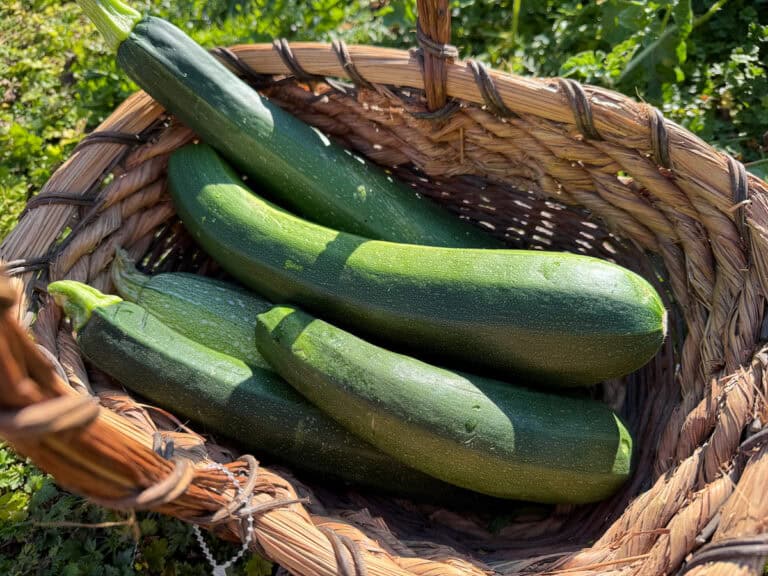
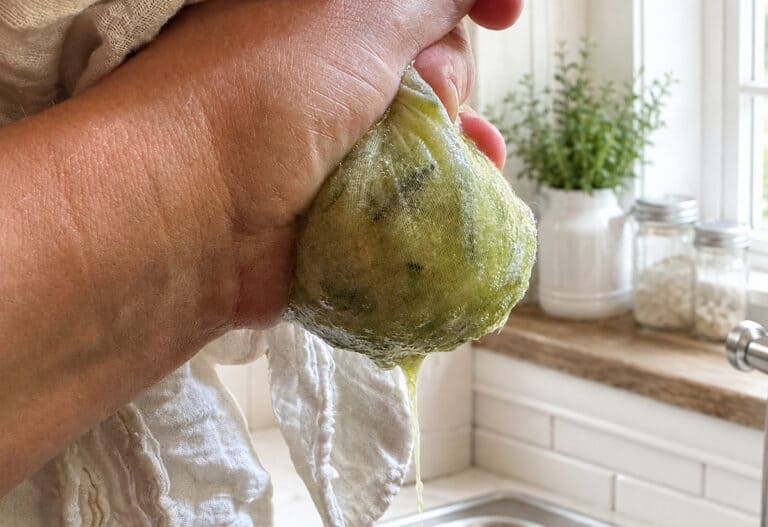
A bumper crop of zucchini becomes quick breads, muffins, snack cakes, and freezer ingredients for later use. That’s right, you can preserve zucchini and I’ll show you how to do it.
A row of herbs provides flavor for cookies, scones, cakes, and frostings.
The goal isn’t to grow every ingredient yourself. Most home bakers will still purchase flour, sugar, spices, and other pantry staples. I don’t grow my own flour, sugar, salt, or other basic pantry staples. I mostly buy these things from Azure Standard in bulk. Local bulk stores, like Costco and Sam’s Club, can be great options as well. Or if you’re lucky enough to have an Amish store near you I highly recommend checking it out.
The goal here is to incorporate more homegrown ingredients into your baking while learning to make the most of each season’s harvest. You’re flavors will be better, and you’ll stop wondering what to do with all the abundance. Or worse, wasting it.
Why Gardeners Make Great Bakers
Gardeners and bakers have more in common than many people realize. It took me a while to really get that, even though I’ve always loved both.
Both require patience. Both rely on timing. Both reward attention to detail.
In the garden, you plant seeds and wait for them to grow. In baking, you combine ingredients and trust the process as they transform from batter to finished product in the oven.
Both activities also help you become more connected to the seasons and a more traditional way of living.
When strawberries ripen, strawberry desserts naturally find their way onto the menu. When pumpkins are harvested, pumpkin breads and cakes follow close behind. Seasonal baking becomes easier when your garden helps determine what’s available.
Many gardeners discover that baking is one of the best ways to use their harvest. A family may not want to eat zucchini every night for dinner, but a loaf of zucchini bread rarely lasts long on the counter. I think my record is about 3 days. Enough time for that next zucchini to get way to big to eat, but perfect size to bake with.
Step 1: Grow Ingredients You Love to Bake With
The best garden to bakery journey starts by growing crops you enjoy using in the kitchen.
Fortunately, many baking ingredients grow well even in small spaces. If you’re new to growing, especially in small spaces, or would like to increase your harvest for all these treats you’re going to be making, check out my other blog Wired Homestead. It’s all about high yield gardening, especially in small spaces.
Strawberries
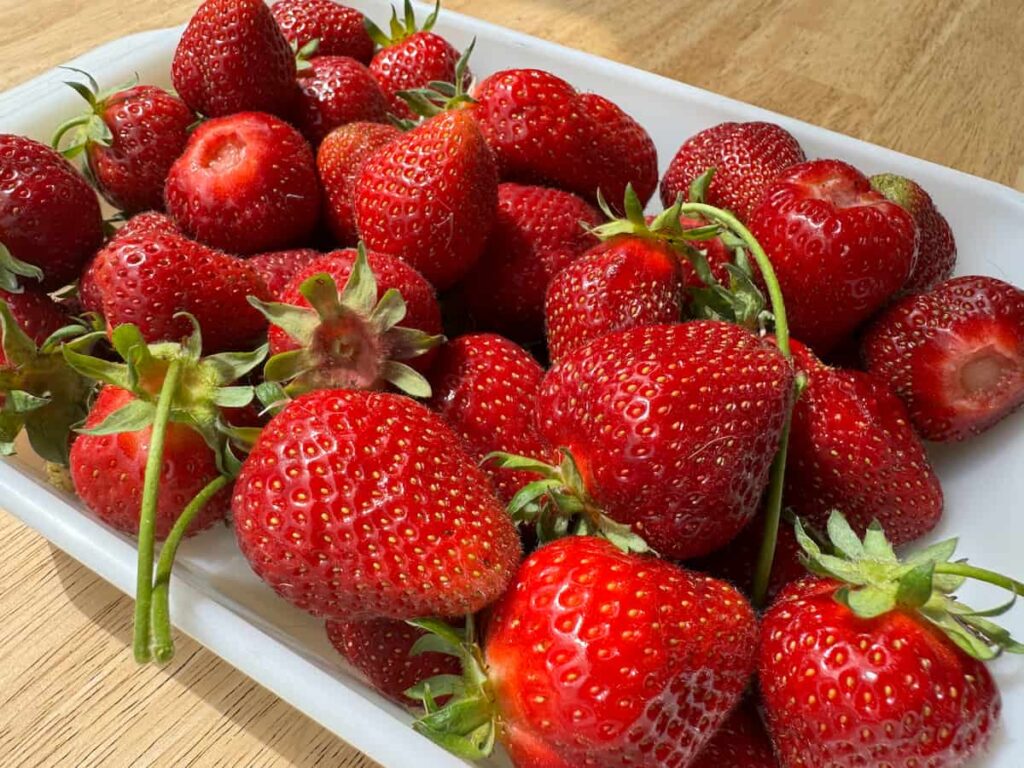
Strawberries are one of the most versatile fruits for bakers and one of my personal favorites.
They can be used fresh, frozen, or preserved as jam.
Popular uses include:
- Muffins
- Scones
- Shortcakes
- Cakes
- Sweet rolls
- Jam fillings
Even a small strawberry patch can produce enough fruit for both fresh eating and baking. I have a 4×8 foot bed right now, and even with all the weeds trying to take over I’m getting loads of strawberries from it. With a few containers, or a smaller bed that’s better maintained than mine, you could grow and harvest more strawberries than you realize.
Rhubarb
Rhubarb is a homestead favorite because it returns year after year with very little maintenance. It’s also one of the first things ready to pick in the Spring.
Its tart flavor pairs beautifully with strawberries and other fruits.
Use rhubarb in:
- Coffee cakes
- Muffins
- Crisps
- Hand pies
- Sweet breads
Zucchini
Zucchini is often one of the most productive vegetables in the garden. There’s a reason so many gardeners joke about feeding the entire neighborhood with a couple of plants.
When harvest season arrives, gardeners quickly learn that zucchini belongs in much more than savory dishes. I love zucchini in baked goods. They don’t taste like zucchini, but it adds a moistness that can’t be beat.
Try it in:
- Quick breads
- Chocolate cakes
- Muffins
- Snack cakes
Pumpkins and Winter Squash
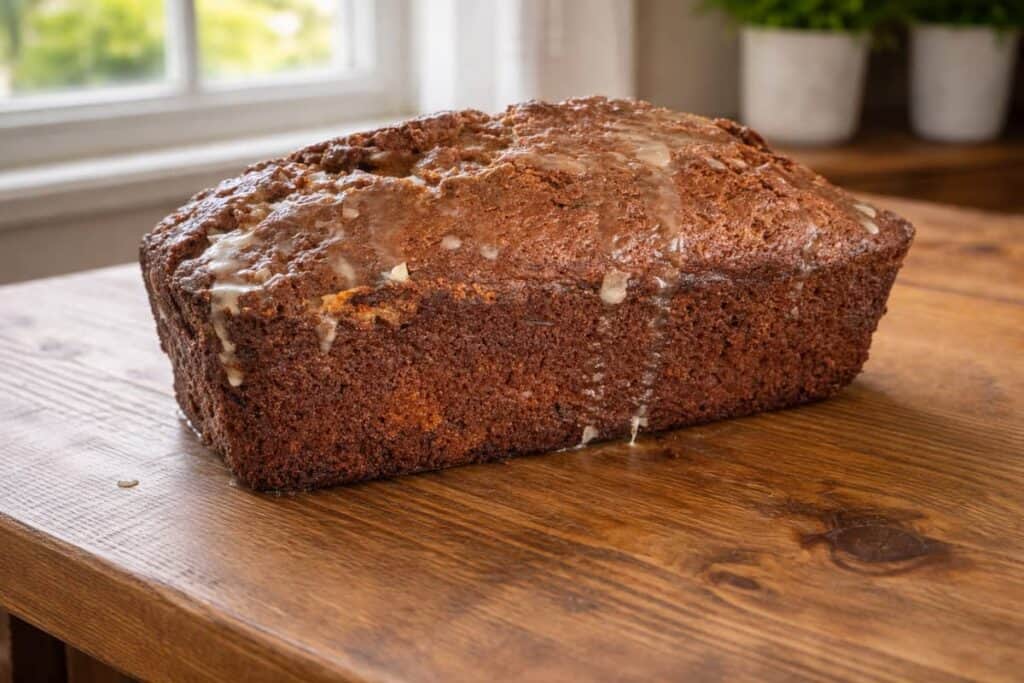
Winter squash provides baking opportunities long after the growing season ends. It’s storage ability is one reason it shouldn’t be overlooked in baking. And think beyond just pumpkin. Butternut squash, acorn squash, delicata, and others are delicious in baked goods.
I personally do not like winter squash in savory dishes, but I can’t get enough of it in sweet treats.
Pureed squash works beautifully in:
- Quick breads
- Cakes
- Cookies
- Cinnamon rolls
- Cheesecakes
Culinary Herbs
Fresh herbs add unique flavor combinations that make homemade baked goods stand out.
Popular choices include:
- Lavender
- Rosemary
- Mint
- Lemon thyme
- Sage
Even a small herb garden can provide enough flavor for an entire season of baking.
Step 2: Harvest at Peak Flavor
The quality of your baked goods begins with the quality of your harvest.
Ingredients harvested at their peak have better flavor, texture, and sweetness.
Strawberries should be fully colored and fragrant before picking. Zucchini is best harvested while still young and tender. Herbs contain the strongest flavor when harvested at the proper stage of growth.
Learning when to harvest is one of the simplest ways to improve your baking. This post on When to Harvest Vegetables for Best Flavor is a great resource to get the most flavor out of your harvest.
For example, overgrown zucchini often contains more water and larger seeds, which can affect the texture of baked goods. Strawberries picked too early may be too tart and lack the sweetness needed for desserts.
The better the harvest, the better the final recipe.
Step 3: Preserve the Harvest for Future Baking
One challenge every gardener faces is abundance.
For a few weeks each year, it can feel like everything ripens at once.
Preservation allows you to enjoy those ingredients long after the season ends. I think you’ll fall in love with preserving as much as I have!
Freezing
Freezing is often the easiest preservation method for beginner gardeners.
Excellent candidates include:
- Strawberries
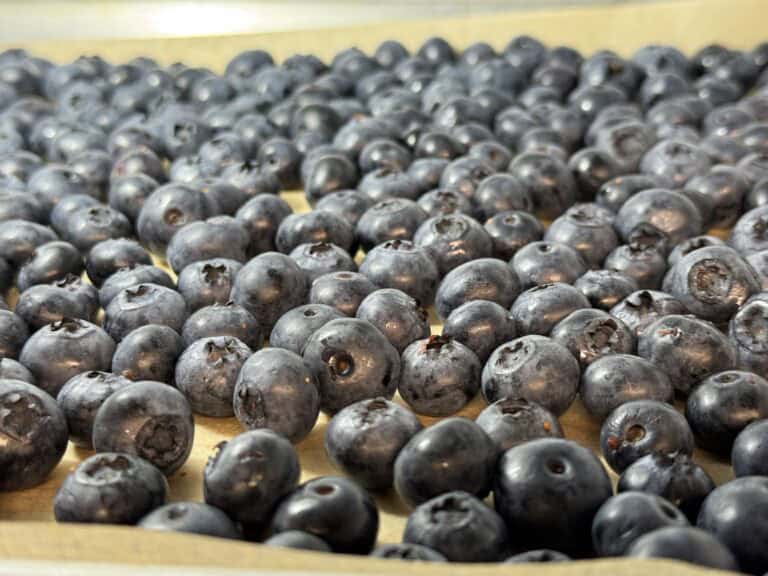
- Blueberries
- Rhubarb
- Pumpkin puree
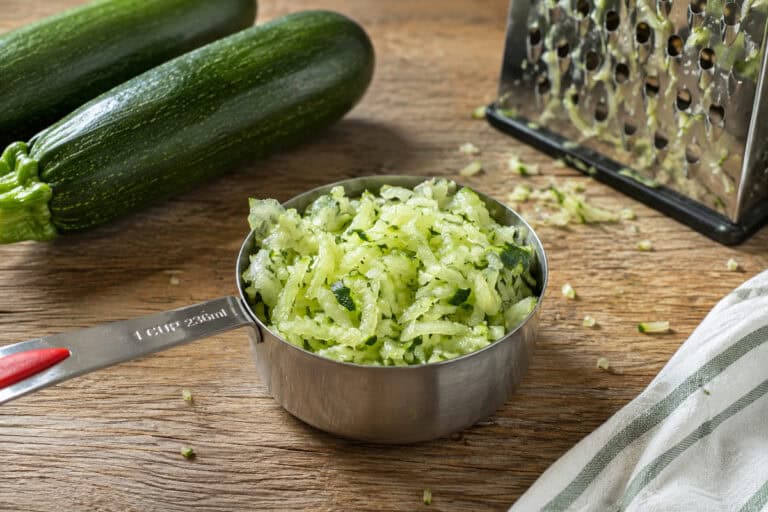
- Shredded zucchini
Frozen ingredients work well in muffins, breads, cakes, and fillings.
Canning
Canning creates shelf-stable ingredients that are ready whenever baking inspiration strikes.
Popular options include:
- Fruit jams
- Pie fillings
- Applesauce
- Fruit preserves
These products can become fillings, toppings, and flavor boosters throughout the year. I love canning fruit butters for fillings.
Dehydrating or Freeze Drying
Dehydrated and freeze dried fruits and herbs take up little storage space and add concentrated flavor to baked goods.
Dried apples, strawberries, and herbs can all be incorporated into recipes.
Making Fruit Butters
Fruit butters are one of the most valuable ingredients in a garden baker’s pantry.
Apple butter, peach butter, pear butter, and pumpkin butter add moisture and flavor to:
- Quick breads
- Cakes
- Muffins
- Frostings
- Sweet rolls
A few jars on the pantry shelf can inspire dozens of recipes throughout the year.
Please note that although pumpkin butter is delicious, it cannot safely be canned according to USDA safe canning standards. I like to follow safe canning practices, so you will not see “rebel” canning recipes like pumpkin butter on this site. But I also believe each of us should be able to make our own choices on what is safe to can for our families and what isn’t.
Step 4: Build a Garden Baker’s Pantry
One of the greatest benefits of preserving your harvest is creating a pantry that supports year-round baking.
Instead of relying entirely on seasonal availability, you can draw from ingredients you’ve stored over the course of the year.
A well-stocked garden baker’s pantry might include:
- Frozen berries
- Frozen shredded zucchini
- Fruit jams
- Fruit butters
- Dried herbs
- Applesauce
- Canned pie fillings
- Pumpkin and winter squash purees
These ingredients make it possible to enjoy the flavors of summer in the middle of winter and the flavors of fall long after the garden has been put to bed for the year.
Over time, your pantry becomes a collection of ingredients that tell the story of your growing season. And I just love looking at all the beautiful colors on the shelf. It never fails to make me smile.
Step 5: Turn Your Harvest into Bakery-Worthy Treats
Now comes the most enjoyable step and my favorite part.
The ingredients you’ve grown, harvested, and preserved can be transformed into homemade baked goods that celebrate the seasons.
Muffins
Muffins are one of the easiest ways to use homegrown ingredients.
Popular combinations include:
- Strawberry Shortcake Muffins
- Strawberry Rhubarb Muffins
- Blueberry Muffins
- Zucchini Muffins
I’ll be adding recipes for lots of different types of muffins, and I like to make mine a little different. There’s a million recipes for the basics, so let’s do something a little different.
Quick Breads
Quick breads are especially useful for fruit butters, pumpkin puree, and garden vegetables.
Try:
- Peach Butter Quick Bread
- Pumpkin Bread
- Pear Vanilla Bean Bread
- Zucchini Bread
Cakes
Garden ingredients can elevate simple cakes into memorable desserts.
Examples include:
- Strawberry Snack Cake
- Peach Butter Cake
- Apple Butter Cake
- Blackberry Cake
Recently I made a chocolate cake with a strawberry compote filling with strawberries from my berry patch. It was so good!
Cookies and Bars
Don’t overlook cookies when planning your harvest baking. They may seem simple, but a good cookie is a mouthwatering treat.
Garden-inspired favorites include:
- Blackberry Sage Linzer Cookies
- Lavender Shortbread
- Rosemary Sugar Cookies
- Jam Bars
Scones and Biscuits
Fresh berries and herbs bring bakery-style flavor to homemade scones and biscuits.
These recipes are often simple enough for beginner bakers while still feeling special. They’re also a great option for breakfast.
Baking Through the Seasons
One of the joys of garden-to-bakery living is learning to bake with the rhythm of the seasons. I admit, I struggled with this for a while. Sometimes you want something when you want it. But baking with the seasons feels like getting in touch with nature. Now I find it satisfying and helps me feel more grounded.
Spring
Spring brings the first fresh flavors of the year.
Focus on:
- Rhubarb
- Strawberries
- Fresh herbs
Summer
Summer is the season of abundance.
Focus on:
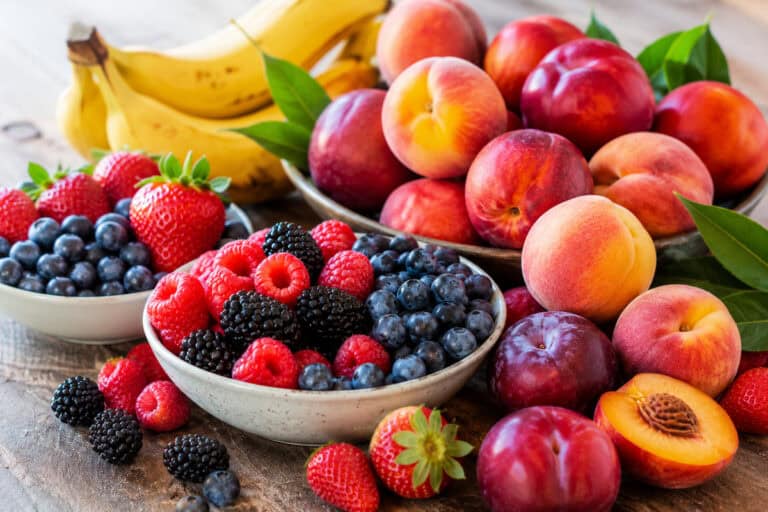
- Peaches
- Blackberries
- Blueberries
- Zucchini
Fall
Fall baking centers around warm, comforting flavors.
Focus on:
- Apples
- Pears
- Pumpkins
- Winter squash
Winter
Winter is when preserved ingredients truly shine.
Focus on:
- Fruit butters
- Frozen berries
- Jams
- Dried herbs
Every season offers opportunities to create something delicious from the harvest.
Start Small and Grow Your Skills
You don’t need acres of land, a dedicated bakery, or years of experience to begin.
Start with one crop.
Grow strawberries for muffins. Plant zucchini for quick breads. Add a few herbs to a container garden and experiment with cookies or scones.
Learn to preserve one ingredient at a time. Build your pantry slowly. Try new recipes as your confidence grows.
Before long, you’ll find yourself looking at your garden differently. Instead of seeing vegetables and fruit, you’ll begin seeing future breads, cakes, muffins, and desserts.
That is the heart of the garden to bakery lifestyle.
Every loaf, cookie, muffin, and cake begins long before the oven is preheated. It starts with a seed, a harvest basket, and the simple satisfaction of creating something from the food you’ve grown yourself.