How to Freeze Zucchini for Baking (The Best Way to Preserve Your Summer Harvest)
If your garden has entered the “how many zucchini can one plant possibly produce?” stage of summer, you are not alone. While zucchini is wonderful grilled, sautéed, or added to savory dishes, realistically there’s only so much zucchini you can eat in a week.
One of the best ways to preserve a large harvest is to freeze zucchini for baking. Zucchini cannot be safely canned, so freezing is your best preservation method in this case. Once upon a time I didn’t even realize you could freeze zucchini. Now that I know this, it’s a complete game changer.
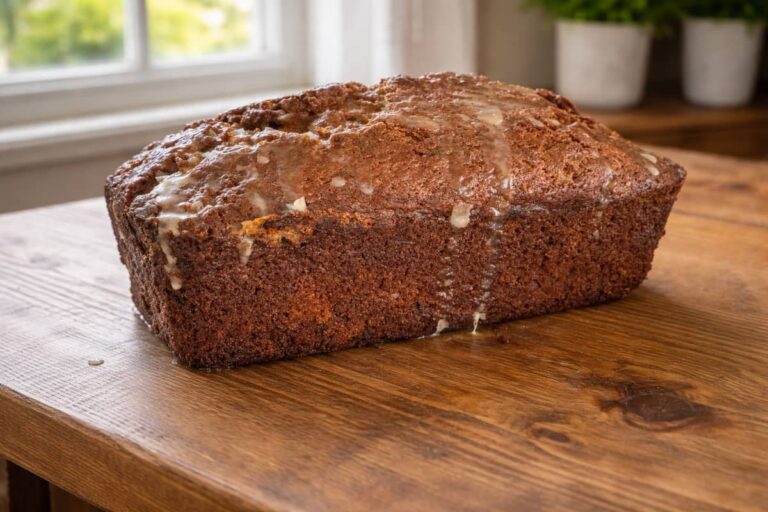
Frozen zucchini is perfect for making moist zucchini bread, muffins, cakes, brownies, and other baked goods throughout the year. The key is preparing it correctly before it goes into the freezer.
A little extra work now means you can enjoy garden-fresh zucchini flavor long after the vines have finished producing.
For more ways to use your abundant zucchini harvest, grab your FREE Harvest Overflow Guide.
Can You Freeze Zucchini for Baking?
Yes! Zucchini freezes extremely well for baking. Most recipes rely on the moisture from zucchini to create a tender crumb. Freezing preserves that moisture, making it the ideal preservation method if your goal is to use your zucchini for baking later.
While the moisture is great, to an extent anyway, zucchini contains a lot of water. When it freezes, the cell walls break down, releasing even more liquid when thawed. If you toss frozen zucchini directly into your favorite recipe without preparing it first, you may end up with dense, gummy baked goods instead of soft, bakery-style zucchini bread.
The goal is not to remove all the moisture. The goal is to control the amount of water going into your recipe.
The Best Type of Zucchini to Freeze for Baking
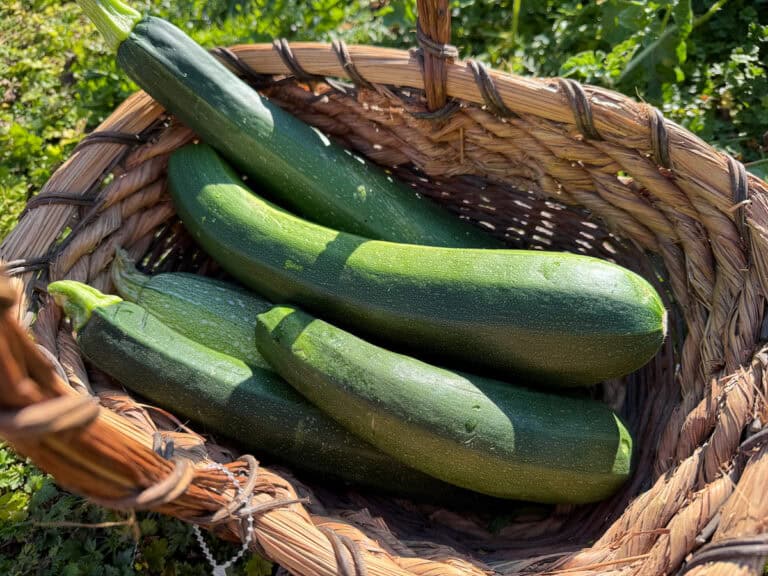
There isn’t a “best variety” of zucchini to freeze. You can freeze any type and they’ll behave the same way. I often grow the standard Black Beauty because it’s so productive. I also grow Gray Zucchini because I like its uniqueness. Both freeze perfectly well. Quality, freshness, and size matter the most.
For the best results, freeze zucchini that is:
- Young and tender
- Free from soft spots or damage
- About 6–8 inches long
- Freshly harvested
Large zucchini can still be used, especially if you have a garden zucchini that somehow became a baseball bat overnight. However, you may want to remove the large seeds and tougher skin. They will add an unpleasant texture when you use the zucchini for baking later on.
The quality of the zucchini you freeze is the quality you get when you thaw to use. I recommend always using the best quality you can to freeze.
How to Freeze Zucchini for Baking
Step 1: Wash and Prepare Your Zucchini
Start by washing your zucchini thoroughly under cool running water.
Trim off both ends, but there is no need to peel zucchini unless the skin is especially thick or damaged. The green peel contains nutrients and adds beautiful color to baked goods. I love the speckled green when I cut a slice of zucchini bread!
If you grow your own zucchini, this is also a great time to inspect your squash for signs of pests or damage before preserving it.
Step 2: Shred the Zucchini
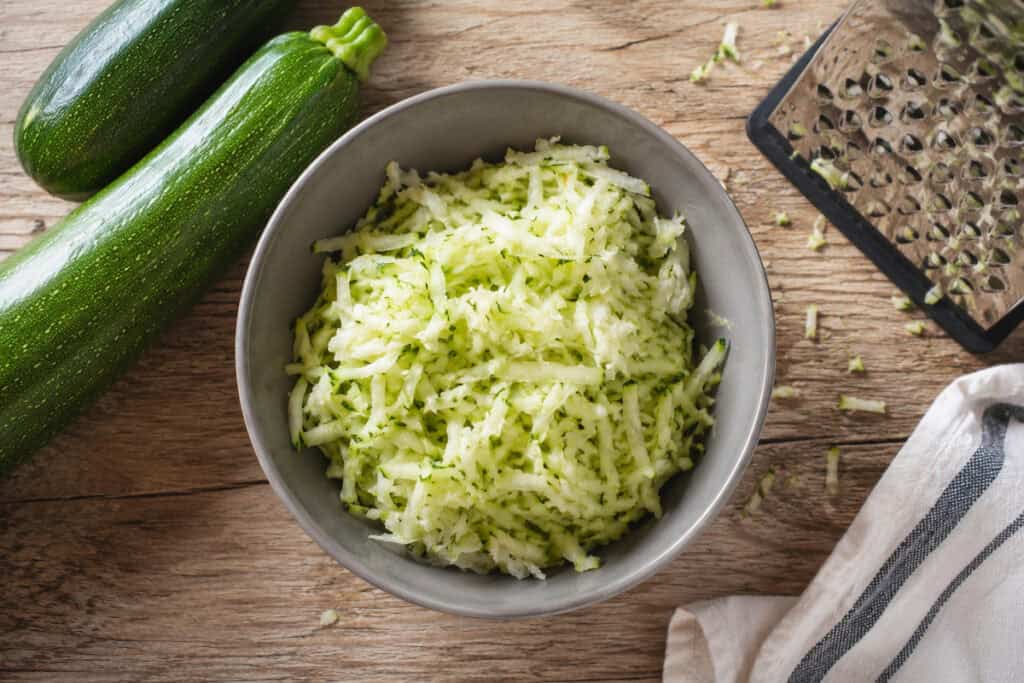
For baking, shredded zucchini is the easiest form to freeze.
Use the large holes on a box grater or a food processor with a shredding plate.
You do not need to make perfectly uniform shreds. A slightly rustic texture works beautifully in quick breads and muffins.
Step 3: Decide Whether to Drain Your Zucchini Before Freezing
This is where many gardeners get confused.
Should you squeeze the water out of zucchini before freezing?
The answer depends on how you plan to use it.
For baking, I recommend lightly draining zucchini before freezing, but do not squeeze it completely dry.
Zucchini moisture is what creates soft, tender baked goods. Removing too much liquid can leave your zucchini bread dry.
Place shredded zucchini in a clean kitchen towel or cheesecloth, or use your hand, and gently press out a bit of excess moisture. Just get it to a point it’s not pooling water at the bottom of the bowl.
You can read more about this technique in my guide: Why You Should Squeeze Water From Zucchini (and When You Shouldn’t)
Step 4: Portion the Zucchini Before Freezing
One of the biggest mistakes people make is freezing zucchini in one giant bag.
Instead, freeze zucchini in recipe-sized portions.
Most zucchini bread recipes use about:
- 1 ½ to 2 cups shredded zucchini
Measure your zucchini before freezing so you can grab exactly what you need later. See my guide on How to Measure Zucchini for Baking to measure each amount perfectly for your future bake.
I recommend freezing:
- 1 cup portions for muffins
- 2 cup portions for zucchini bread
- Larger portions for large cakes or cookie bars
A kitchen scale is especially helpful if you bake often because measuring ingredients by weight gives more consistent results.
Step 5: Package Zucchini Properly for the Freezer
The biggest enemy of frozen zucchini is freezer burn.
After portioning your zucchini:
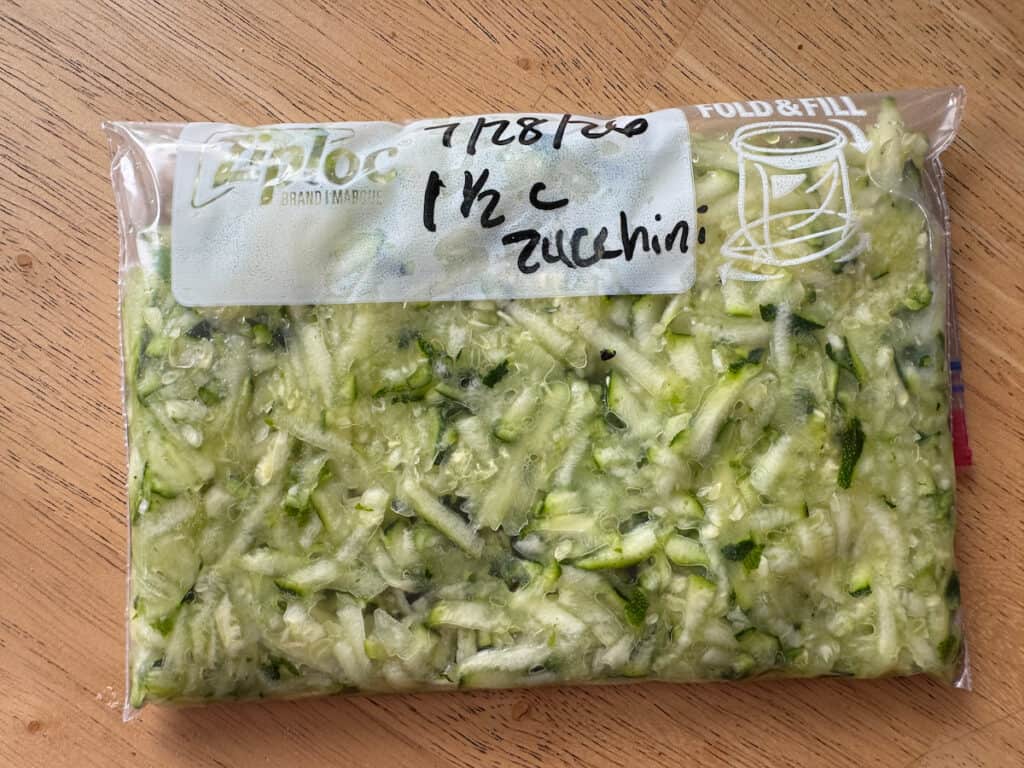
- Place zucchini into freezer bags or airtight containers.
- Remove as much air as possible.
- Label with the amount and date.
- Freeze flat if using bags.
I like freezing zucchini in thin, flat freezer bags because they thaw quickly and stack neatly.
How Long Does Frozen Zucchini Last?
Frozen zucchini is best used within 6–12 months.
After a year, it may still be safe to eat if it has remained continuously frozen, but the texture and flavor quality will start to gradually decline. This is because the nutrients in it start to break down over time, even while frozen.
For the best baking results, try to use your frozen zucchini before the next gardening season begins.
How to Use Frozen Zucchini for Baking
When you are ready to bake, remove your zucchini from the freezer and thaw it completely.
Once thawed:
- Drain off any excess liquid.
- Lightly squeeze if there is a large amount of water.
- Measure the zucchini for your recipe if it requires measuring after squeezing the liquid. If it does not, you measured before freezing and if you labeled correctly you’ll know exactly how much you have.
Do not worry if frozen zucchini looks softer or darker after thawing. This is completely normal.
The texture changes during freezing, but once baked into bread, muffins, or cakes, you will hardly notice.
Try using your frozen zucchini in:
- Classic zucchini bread or a twist like my Orange Zucchini Bread
- Chocolate zucchini muffins
- Zucchini brownies
- Zucchini cake
- Savory zucchini biscuits like my Zucchini Cheddar Breakfast Squares
Can You Freeze Whole Zucchini?
You can, but I do not recommend it for baking.
Whole frozen zucchini becomes very soft once thawed, making it difficult to grate and measure accurately. It could be used in soups or stews, but I don’t think it’d taste all that great. I would think it’d be likely to dissolve into the dish. If you’ve done this and made something delicious with it, let us know in the comments below.
For baking, shredded zucchini is the most convenient option because it is ready to add directly into recipes.
Can You Freeze Zucchini Without Blanching?
Yes.
Unlike many vegetables, zucchini does not need to be blanched before freezing if you plan to use it in baked goods.
Blanching helps preserve texture in vegetables that will be eaten as a side dish, but zucchini used in baking does not need that extra step.
Skipping blanching saves time during the busy harvest season.
Common Mistakes When Freezing Zucchini for Baking
Freezing zucchini without measuring it first
A freezer bag full of zucchini is not very helpful when you do not know how much is inside.
Always portion it before freezing and make sure to label the container or freezer bag so you know how much you put in it.
Removing too much water
Dry zucchini creates dry baked goods.
Remember, zucchini is there to add moisture for a tender crumb. If you get rid of all the moisture it cannot do it’s job in the recipe.
Using freezer bags that are not sealed well
Air exposure causes freezer burn and stale flavors.
Use quality freezer storage bags or airtight containers. Do not use plain storage bags. They are thin and not meant to store in the freezer for any length of time.
Forgetting to label your zucchini
After a few months, every frozen bag starts looking suspiciously identical.
Write the amount and date directly on the package. Even if you swear you’ll remember, you won’t. And things get jumbled around so keeping 1 cup packages in one place is asking for them to be moved later. Labeling is essential. – Signed someone who’s thought both of these things and been very wrong.
Final Thoughts
Freezing zucchini for baking is one of the easiest ways to preserve your garden harvest.
With just a few simple steps, you can turn an overflowing summer squash harvest into homemade zucchini bread, muffins, and desserts all year long. No need to continuously burden your family, friends, and neighbors with surprise zucchini anymore!
The secret is preparing zucchini in a way that preserves its moisture while making it convenient to use later.
I promise, your future self, pulling a bag of garden zucchini from the freezer in January, will be very thankful.
Don’t forget to grab your FREE Harvest Overflow Guide for even more ideas on how to use your harvest.