Why You Should Squeeze Water From Zucchini (and When You Shouldn’t)
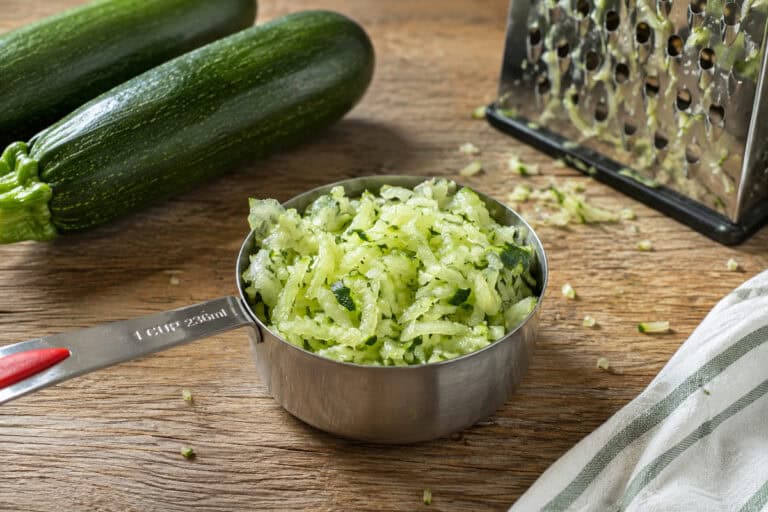
Zucchini is one of the most generous garden crops, and it’s a wonderful addition to your baking arsenal. But it does come with one challenge: it contains a surprising amount of water.
So, do you need to squeeze water from zucchini?
The answer is: sometimes.
That extra moisture is wonderful when you are making soups, sautés, or roasted vegetables. But when you are baking zucchini bread, muffins, cakes, and bars, too much water can create disappointing results. A loaf that sinks in the middle. Muffins with a gummy texture. A cake that never seems to fully bake.
Knowing when to remove moisture from zucchini and when to leave it alone is the difference between a perfectly tender crumb and a dense or soggy bake.
If you’re drowning in zucchini, grab your FREE Harvest Overflow Guide for more ideas on how to use it.
*As an Amazon Associate I may earn from qualifying purchases at no cost to you.
Why Does Zucchini Have So Much Water?
Zucchini is made up of approximately 90–95% water. This high moisture content is part of what makes zucchini such a useful ingredient in baking.
When shredded zucchini is added to a batter, that moisture slowly releases as the zucchini heats. This creates tenderness and keeps baked goods from drying out.
That is why classic zucchini bread has such a soft, moist crumb.
However, the amount of water in zucchini varies depending on:
- The size of the zucchini
- How mature the zucchini is
- Whether the zucchini was freshly harvested or stored
- How finely it was shredded
- How long it sits after shredding
A small, freshly picked garden zucchini may contain less excess water than a large zucchini harvested several days later.
Older zucchini often have larger seeds and a higher water content. This makes it especially important to remove some moisture before baking when using a large zucchini.
Do You Squeeze Zucchini for Zucchini Bread?
This is one of the most common zucchini baking questions.
The answer depends on the recipe.
Many recipes are written specifically with drained zucchini in mind. My Orange Zucchini Bread recipe requires you to remove most of the water before adding to the batter.
A few traditional zucchini bread recipes are designed around using zucchini with its natural moisture. If the recipe developer tested the recipe without squeezing the zucchini, removing too much water can actually make the bread dry.
The best approach is to consider the type of recipe you are making.
Squeeze zucchini when:
- The batter already contains a lot of liquid
- You are using large garden zucchini
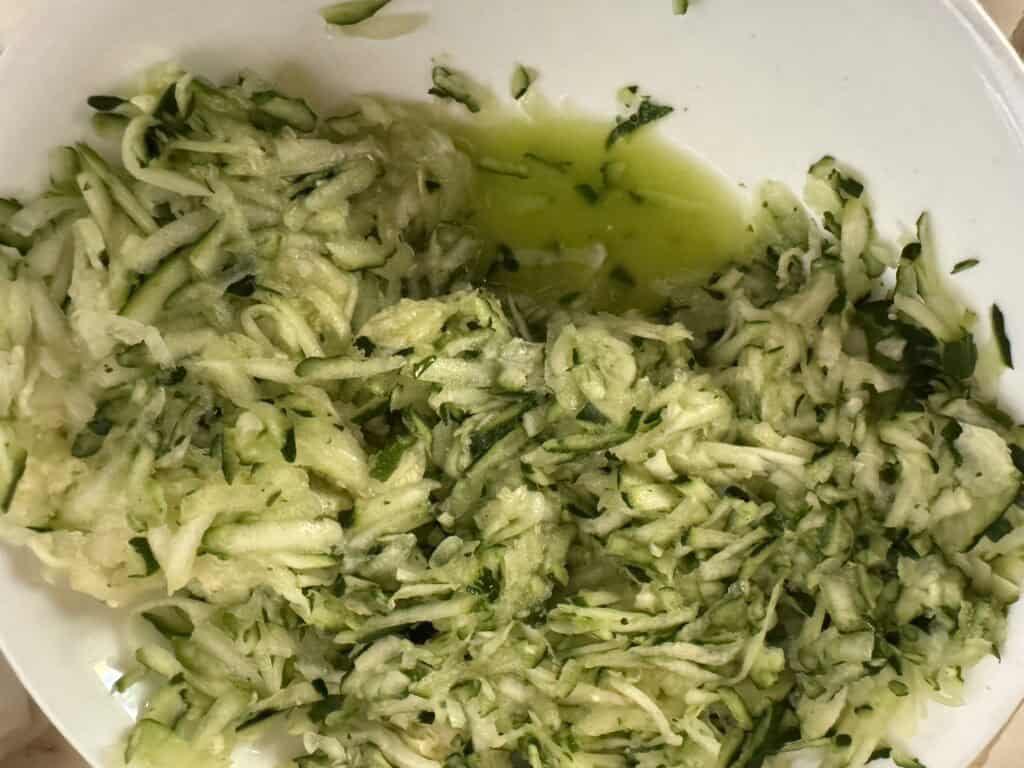
- Your zucchini releases a puddle of liquid after shredding
- You are making cakes, loafs, muffins, or bars where structure matters
- Your previous zucchini bread turned out gummy or underbaked
Leave zucchini unsqueezed when:
- The recipe specifically says not to drain it
- You are making a very thick batter
- The recipe relies on zucchini moisture for tenderness
- You are using a small, young zucchini
- You are making recipes like soups or savory dishes
The goal is not to remove all moisture, it’s important to leave some. The goal is to remove excess moisture.
Why Squeeze Zucchini Before Baking?
When baking, every ingredient affects the final structure.
Flour creates the framework. Eggs provide structure and richness. Fat creates tenderness. Sugar affects moisture and browning.
Zucchini contributes water. But too much water can interfere with the balance of ingredients.
1. It Prevents Soggy Baked Goods
The most common reason bakers squeeze zucchini is to prevent excess moisture.
If shredded zucchini releases too much water into the batter, the flour may not be able to absorb it all.
The result can be:
- A dense loaf
- A gummy center
- Wet pockets throughout the crumb
- A collapsed middle
A properly prepared zucchini bake should be moist and tender, not wet.
2. It Creates Better Texture
Texture is everything in baking. It’s the first thing noticed when it’s not correct. No matter the recipe, if it comes out dense the flavor won’t save it.
A great zucchini muffin should have:
- A soft crumb
- Even air pockets
- A tender bite
Too much water can make baked goods heavy and rubbery instead of light.
Removing some moisture allows the other ingredients to do their jobs more effectively.
3. It Helps Recipes Bake More Evenly
Have you ever baked zucchini bread that looked finished on the outside but was still raw in the middle? I know I have.
Excess water is often the culprit, as it was in my case. That was before I understood how important it was to remove some of it.
Moisture takes longer to evaporate during baking. A wetter batter may require significantly more baking time, which can lead to:
- Dark edges
- Dry tops
- Undercooked centers
Draining zucchini helps create a more predictable baking time and an even bake.
How to Get Excess Water Out of Shredded Zucchini
There are several methods for removing water from zucchini. The best method depends on how much moisture you need to remove.
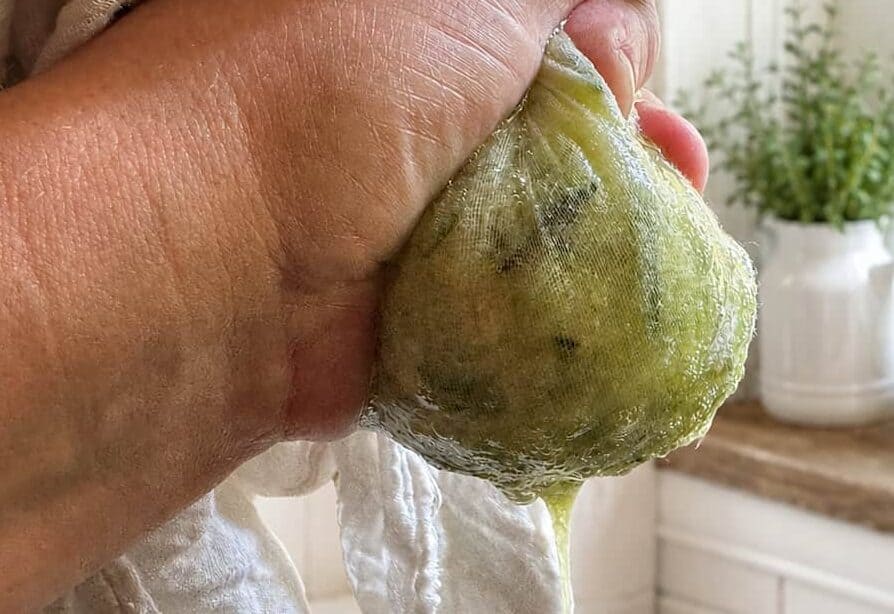
Method 1: Squeeze by Hand
This is the easiest method for most home bakers and the method I use the most.
After shredding your zucchini:
- Grab a handful of zucchini, no more than you can hold in one hand.
- Close both hands around the zucchini.
- Squeeze firmly over the sink or bowl.
- Continue until the zucchini stops releasing large amounts of liquid.
This method removes enough moisture for most zucchini bread and muffin recipes.
You do not need the zucchini to become completely dry.
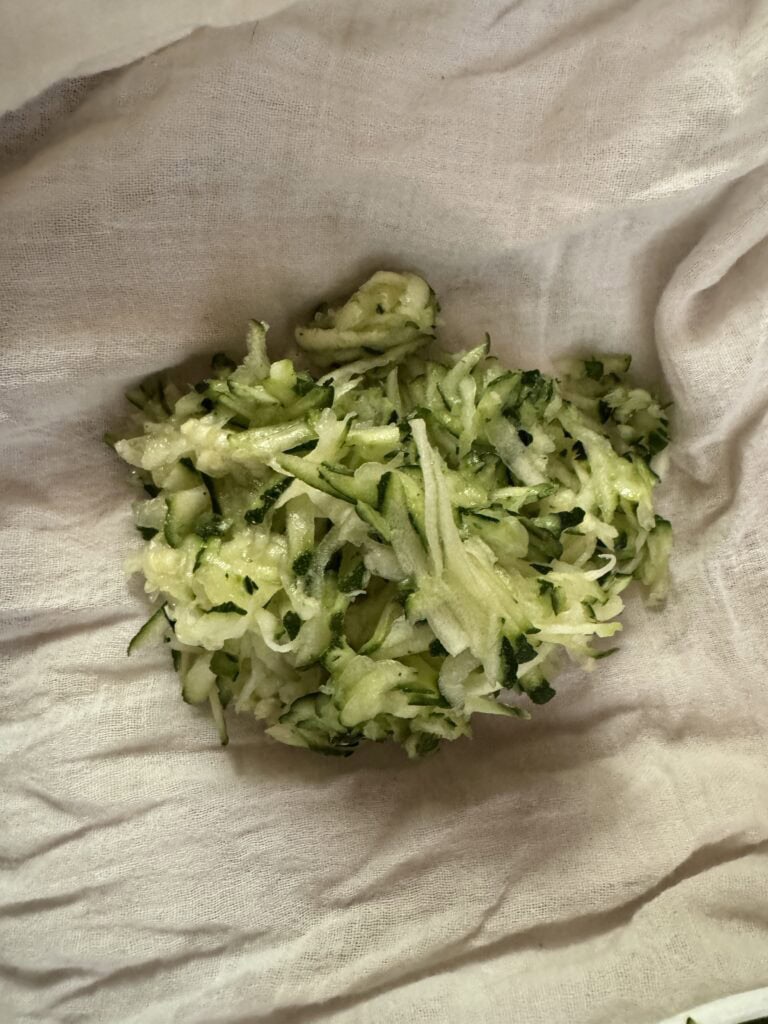
Method 2: Use a Cheesecloth or Kitchen Towel
Cheesecloth removes more water than a kitchen towel, but they are both great ways to remove moisture.
This is helpful if you have:
- Very large zucchini
- Extra watery zucchini
- A recipe that requires well-drained zucchini
Simply place shredded zucchini in the cheesecloth or towel, gather the edges, and squeeze.
Method 3: Salt and Drain Zucchini
Salting zucchini draws out additional moisture through osmosis. It naturally draws water out of the zucchini.
This method is commonly used when preparing zucchini for savory recipes like fritters. It’s also the method I use for my Zucchini Cheddar Breakfast Squares.
To salt zucchini:
- Toss shredded zucchini with a small amount of salt.
- Let it sit for 10–15 minutes.
- Squeeze out the released liquid.
For baking, this method is usually unnecessary unless your zucchini is extremely watery.
Remember that salt can affect the flavor of your final recipe, so use caution. Do not use more than the recipe states or you could end up with a salty final product.
How Much Water Should You Remove From Zucchini?
This is where many bakers get nervous.
There is no exact amount because zucchini naturally varies. But you are not trying to create dehydrated zucchini.
I like to think of squeezing zucchini like wringing out a sponge. You want to remove the dripping excess, but the zucchini should still feel moist.
For most baking recipes:
- Lightly squeeze zucchini for normal garden zucchini
- Squeeze firmly for oversized zucchini
- Leave smaller zucchini mostly alone if it does not release much liquid after shredding
A good rule:
If liquid is pooling at the bottom of your bowl after shredding, remove some moisture.
When You Should NOT Squeeze Water From Zucchini
While draining zucchini is useful most of the time, there are times when you shouldn’t remove the excess moisture.
1. Recipes Designed Around Zucchini Moisture
Some recipes are carefully balanced knowing that zucchini adds water.
Removing moisture can change the result.
Be sure to always follow the recipe instructions before removing any moisture.
2. Small Fresh Garden Zucchini
Young zucchini harvested directly from the garden often have a delicate texture and moderate moisture.
If you shred it and notice very little liquid, squeezing may remove too much.
3. Savory Zucchini Recipes
Many savory recipes benefit from zucchini’s natural moisture.
Examples include:
- Zucchini casseroles
- Vegetable soups
- Pasta sauces
- Roasted vegetable dishes
In these recipes, the moisture contributes to the final dish. The exception is baked savory recipes, like these Bacon, Cheddar, and Zucchini Biscuits. Those often do call for at least some moisture to be removed.
Why Is My Zucchini Bread Soggy?
If your zucchini bread is soggy, several things may be happening.
Too Much Zucchini Moisture
This is the most common issue when your bread turns out soggy.
Try squeezing your zucchini more thoroughly next time.
Measuring Zucchini Incorrectly
Zucchini is usually measured after shredding and before taking the moisture out.
A cup of loosely packed zucchini and a cup of tightly packed zucchini are not the same.
For consistent baking, lightly pack shredded zucchini into your measuring cup, remove moisture, and add to the batter.
Too Much Zucchini Added
Garden zucchini can be tempting to add generously, but more is not always better.
Adding extra zucchini changes the moisture balance of the recipe and can result in a soggy, dense product that doesn’t bake evenly.
Be sure to measure your zucchini according to the recipe you’re making.
Underbaking
A moist zucchini loaf needs enough time for the center to set.
Check doneness by inserting a toothpick into the center. It should come out with a few moist crumbs but no wet batter.
How to Prepare Garden Zucchini for Baking
When using zucchini from your garden, a few simple steps will improve your baking results.
Choose the Right Zucchini
For baking, look for zucchini that are:
- Small to medium sized
- Firm
- Free from soft spots
Large zucchini can still be used, but remove the large seeds before shredding or it will add an unpleasant texture to your baked goods.
Wash and Trim
Wash zucchini well and remove both ends.
There is no need to peel zucchini unless the skin is tough. The green skin adds beautiful color and nutrients to baked goods. It is rare you would need to peel a zucchini.
Shred Finely
Fine shreds blend into batter more easily.
A box grater works well, or you can use the shredding attachment on a food processor. I use a box cheese grater and it works perfectly.
Decide Whether to Drain
Before squeezing, look at your zucchini.
Ask:
- Is there visible liquid after being shredded?
- Is the zucchini very large?
- Is my recipe sensitive to moisture?
Then decide how much water to remove.
The Bottom Line: Should You Squeeze Your Zucchini?
The answer is not always yes or no.
For zucchini breads, muffins, cakes, and bars, removing excess moisture often leads to a better texture and more reliable bake.
But zucchini’s natural moisture is also part of what makes these recipes special.
The goal is balance, not complete elimination.
Use freshly harvested zucchini, pay attention to how much water it releases, and adjust based on the recipe you are making.
Once you understand how zucchini behaves in the kitchen, that garden abundance becomes much easier to transform into delicious baked goods. Read more about using your abundant zucchini in the Ultimate Guide to Baking with Homegrown Produce.
Your zucchini harvest is not just a vegetable problem waiting to happen. It is the beginning of muffins, breads, cakes, and countless garden-to-bakery creations.